
Aged Shou Mei Tea: Value and Deception
Compared with fresh Shou Mei, naturally aged Shou Mei gradually changes in aroma and flavor over the years. Its fresh, grassy notes may develop into woody, aged, and dried-fruit aromas, which many tea lovers enjoy.
Because natural aging requires time and costly storage, aged Shou Mei is often more expensive than fresh tea of similar quality.
To shorten the aging process and reduce costs, some sellers use controlled temperature, humidity, or other processing methods to accelerate changes in the tea's color and flavor, making younger tea look and taste like aged tea.
Even with advances in processing technology, artificially accelerated aging can still produce different flavors, aromas, and mouthfeel compared with years of natural aging.
Artificially accelerated aging is not necessarily a bad thing.
If the process meets food safety standards, it is not necessarily harmful. Properly processed Shou Mei can also develop unique flavors that differ from fresh tea.
The real problem is that some sellers pass off artificially aged Shou Mei as naturally aged tea, using false age claims to charge higher prices.
Consumers pay the price of naturally aged tea but may receive tea that has been processed to imitate it.
So how can artificial processing make young Shou Mei look old in such a short time? And how can we tell naturally aged Shou Mei from artificially aged tea?
The Difference Between Natural and Artificial Aging
Natural aging involves slow, gradual enzymatic and non-enzymatic oxidation of compounds within the tea leaves under suitable storage conditions. In contrast, aggressive artificial aging methods can force rapid changes through chemical degradation and intensive fermentation.
Natural Aging
Shou Mei is a type of white tea. Its traditional production process involves withering and drying, without pan-frying or rolling, helping preserve the tea's natural enzymes.
During storage in a dry, dark, and sealed environment, some enzymatic activity may continue, contributing to changes in polyphenols, amino acids, and other compounds.
Meanwhile, catechins in the tea undergo gradual oxidation in the presence of small amounts of oxygen, forming compounds such as theaflavins, thearubigins, and theabrownins.
As a result, the tea liquor may gradually change from pale yellow to orange-yellow or amber, while remaining clear and bright.
Artificial Aging
Artificial aging accelerates chemical reactions through high temperatures, high humidity, or intensive fermentation.
One common method used to imitate aged tea is wet piling. The tea leaves are moistened and piled together, creating a warm, humid environment similar to the pile fermentation used in dark tea production.
These conditions encourage microbial growth and accelerate chemical changes in the leaves.
However, excessive heat and humidity can break down or consume amino acids, vitamins, soluble sugars, and other compounds that contribute to the tea's fresh and sweet flavors. Chlorophyll also degrades, causing the leaves to turn dark brown or black much more quickly.
The resulting color may appear flat and uniform, lacking the natural variation often found in aged tea.
To use an imperfect analogy, natural aging allows tea to gradually evolve and develop over time, while aggressive artificial aging forces it through rapid changes, potentially sacrificing some of its original qualities.
How to Tell Artificially Aged Shou Mei from Naturally Aged Shou Mei
You can examine five aspects of aged Shou Mei: dry leaf color, leaf shape, tea liquor, brewed leaves, and the taste of cooled tea.
1. Dry Leaf Color
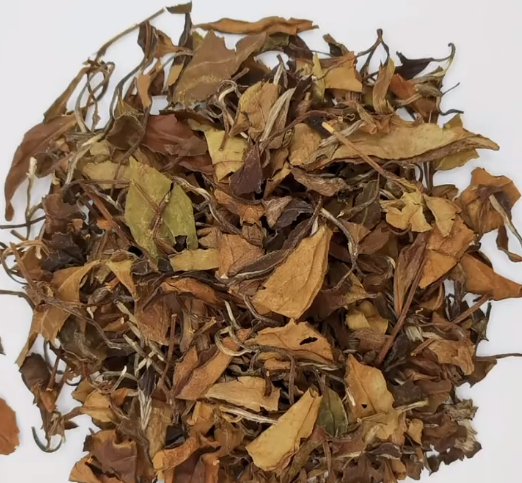
Naturally aged: The colors are usually varied and layered. Because individual leaves change at different rates, the dry tea may show a mixture of green, yellow, brown, and dark brown, creating a multicolored or camouflage-like appearance.
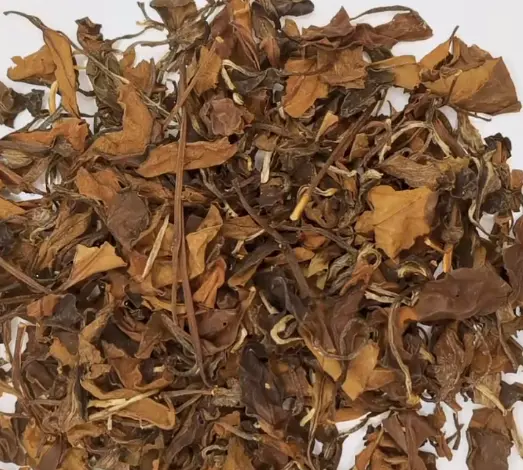
Artificially aged: Some heavily processed teas have a more uniform, dull appearance, with leaves turning dark brown, coffee-colored, or almost black.
2. Dry Leaf Shape
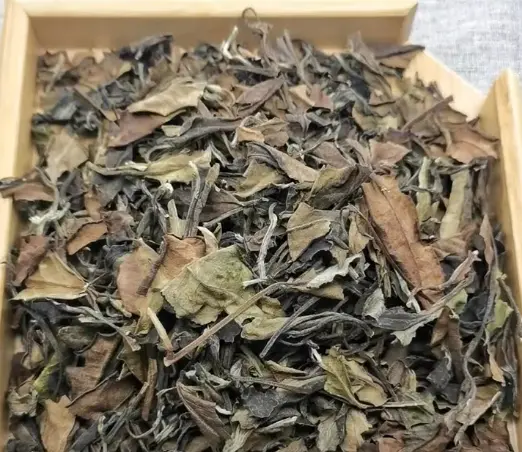
Naturally aged: Traditional white tea is made without pan-frying or rolling, so Shou Mei usually retains its relatively large leaves and long stems.
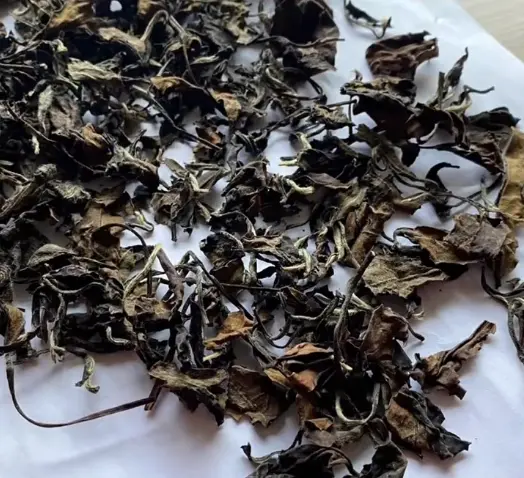
Artificially aged: Some artificial aging methods involve additional rolling or high-temperature treatment, which may cause the leaves to shrink or wrinkle noticeably and the stems to become unusually twisted.
3. Tea Liquor Color
Naturally aged: The tea liquor is usually clear, bright, and glossy. Shou Mei aged for around three years may produce an orange-yellow liquor, while tea aged for more than five years may develop orange-red or amber tones.
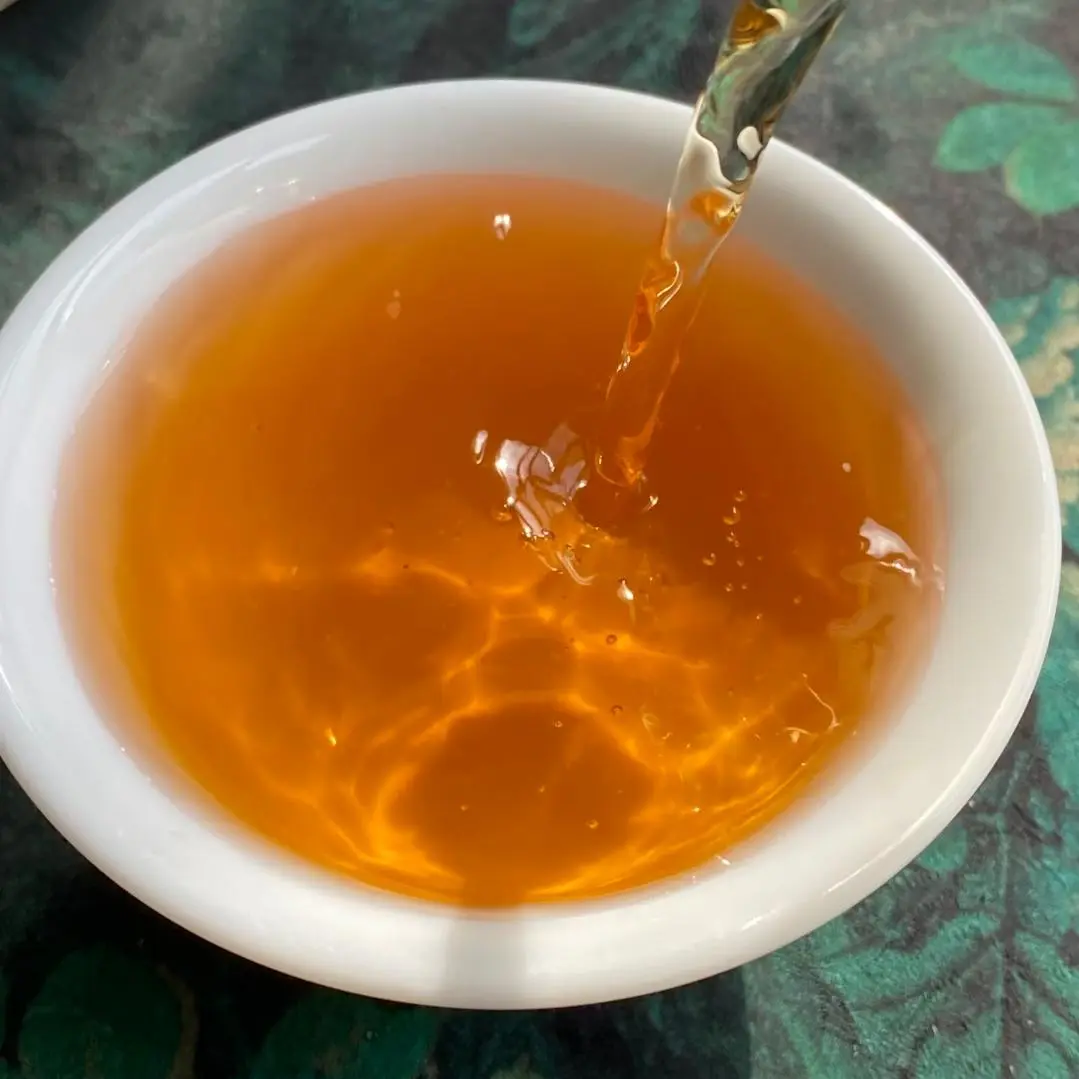
Across multiple infusions, the color often changes gradually, becoming deeper before slowly fading.
Artificially aged: Improperly processed tea may produce cloudy, dull liquor that lacks clarity. The first infusion may be unusually dark, followed by a rapid loss of color rather than a gradual transition.
4. Brewed Leaves
Naturally aged: After brewing, the leaves are generally soft, retain some flexibility, and still have visible veins.
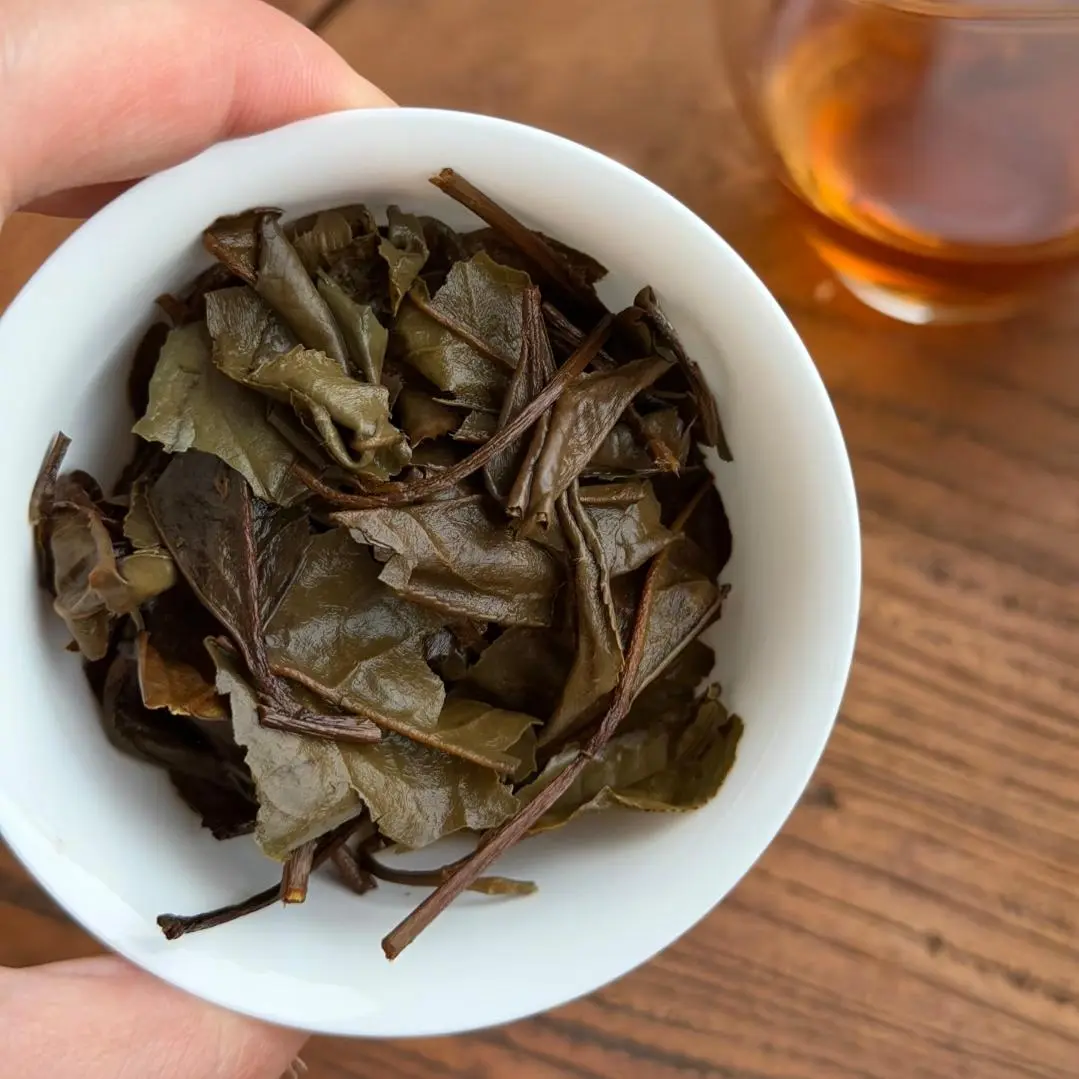
Artificially aged: Tea exposed to excessive heat or humidity may have stiff, brittle, or even mushy leaves that break apart easily when gently rubbed.
5. Taste of Cooled Tea
Let the brewed tea cool naturally. Some differences in aroma and flavor may become easier to notice as the tea cools.
Naturally aged: Well-stored tea generally maintains a clean, balanced aroma and flavor even after cooling.
Artificially aged: Tea that has been improperly processed or stored may develop noticeable sour, stale, musty, or other unpleasant odors.
These characteristics are useful clues, but none can independently prove whether a tea was artificially aged. Raw materials, production methods, brewing conditions, and storage can also affect the results.
Tips for Buying Aged Shou Mei
Don't be tempted by unusually cheap aged Shou Mei. Natural aging requires time and storage costs, and no seller can consistently sell at a loss.
If a tea claimed to be more than ten years old is surprisingly cheap, be cautious.
For beginners, it's better to start with younger aged Shou Mei from reliable sellers. This helps you gradually become familiar with the colors, aromas, and flavors developed through natural aging.
Once you've gained some experience, you can explore older and more expensive Shou Mei with greater confidence.