
For most people, Yes, Chinese tea can be a healthy everyday drink.
Whenever I decide to try a new drink or food, I usually want to know how it might affect my body. If something is bad for my health, I generally stay away from it, even if everyone else is having it.
Alcohol is the exception, of course. Life can be hard, and sometimes you just need a little escape.
For example, I hardly ever drink coffee or smoke.
For many office workers, coffee is mainly a way to stay awake and focused. But I often wonder: why not drink tea instead? The caffeine in tea can also help you stay alert. If we put aside the image of coffee as the drink of successful professionals, I personally think tea is a healthier choice.
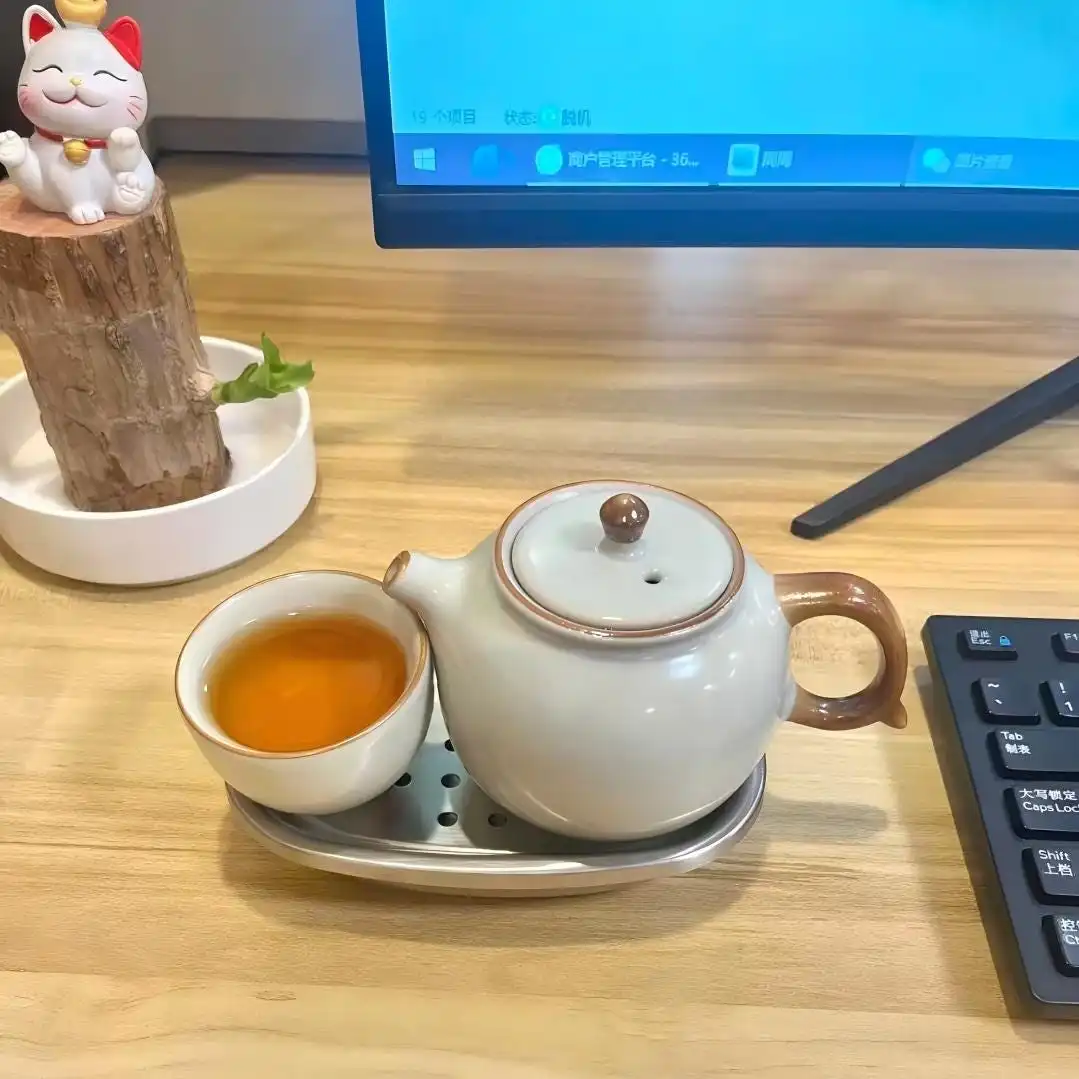
The Benefits of Drinking Tea
Many people first discover Chinese tea because of its flavor. But beyond its unique taste, tea may also offer some health benefits.
Helps You Feel Calm but Alert
Tea contains both caffeine and L-theanine. Caffeine can help you stay awake and focused, while L-theanine may promote relaxation. Together, they may help you feel calm, focused, and alert without feeling overly tense.
A Good Match for Rich and Greasy Food
Tea catechins may influence how the body handles fats after a meal. This might help explain why tea is traditionally paired with rich or greasy foods in China.
I personally love drinking tea with hot pot, cakes, or dim sum. It makes a heavy meal feel a little lighter. Cantonese breakfast is a perfect example—in Cantonese, going out for breakfast is called yum cha, which literally means “drink tea.” Tea isn’t just a drink on the side; it’s part of the whole meal.

Rich in Antioxidants and Potentially Good for Your Skin
Tea, especially green tea, is rich in polyphenols such as catechins, which have antioxidant properties. Some studies suggest that green tea polyphenols may help protect the skin from oxidative stress and UV-related damage. However, that doesn’t mean drinking tea will automatically give you better skin—it’s better to think of this as a potential benefit rather than a beauty treatment.
Freshens your breath and supports oral health
Tea polyphenols may help inhibit certain bacteria in the mouth, and studies using green tea extracts and mouth rinses have shown potential benefits for plaque and bad breath. Drinking tea isn’t the same as using a green tea mouthwash, of course, but it suggests that some compounds in tea may be beneficial for oral health.
The Situations where drinking tea is not advisable
However, there are a few situations where I wouldn’t recommend drinking tea:
On an empty stomach
Components in tea, such as caffeine and polyphenols, may increase gastric irritation. Tea can irritate the stomach and may cause discomfort, especially if it is strong.
During pregnancy or breastfeeding
Because tea contains caffeine, it’s a good idea to limit your intake and follow medical guidance on how much caffeine is appropriate.
When taking medicine
Some compounds in tea can interact with certain medications or affect how they are absorbed. In general, it’s better to take medicine with plain water unless your doctor or pharmacist tells you otherwise.
Don’t drink tea with that objective in mind.
Overall, I don’t think tea should be treated like some kind of miracle health drink. And personally, I don’t like drinking tea with a specific health goal in mind.
I would rather simply enjoy the tea itself—watch its color change in the cup, smell its aroma, and pay attention to how it tastes. As for exactly what health benefits it has or how long I need to drink it before seeing any results, I don’t really care.
If you want to focus on the experience rather than health claims, try this simple way to brew Chinese tea.