Green tea, black tea, Longjing, Pu’er, Da Hong Pao...
We hear these terms often, yet we may not fully grasp the connections between them or know how to identify exactly which tea we are drinking.
These names can seem complex simply because the concepts haven’t been discussed systematically. This article will guide you from the basics to a deeper understanding of these terms, enabling you to easily identify the type of tea you are drinking.
Chinese tea is categorized into six major types:
Green tea, White tea, Yellow tea, Oolong tea, Black tea, and Dark tea
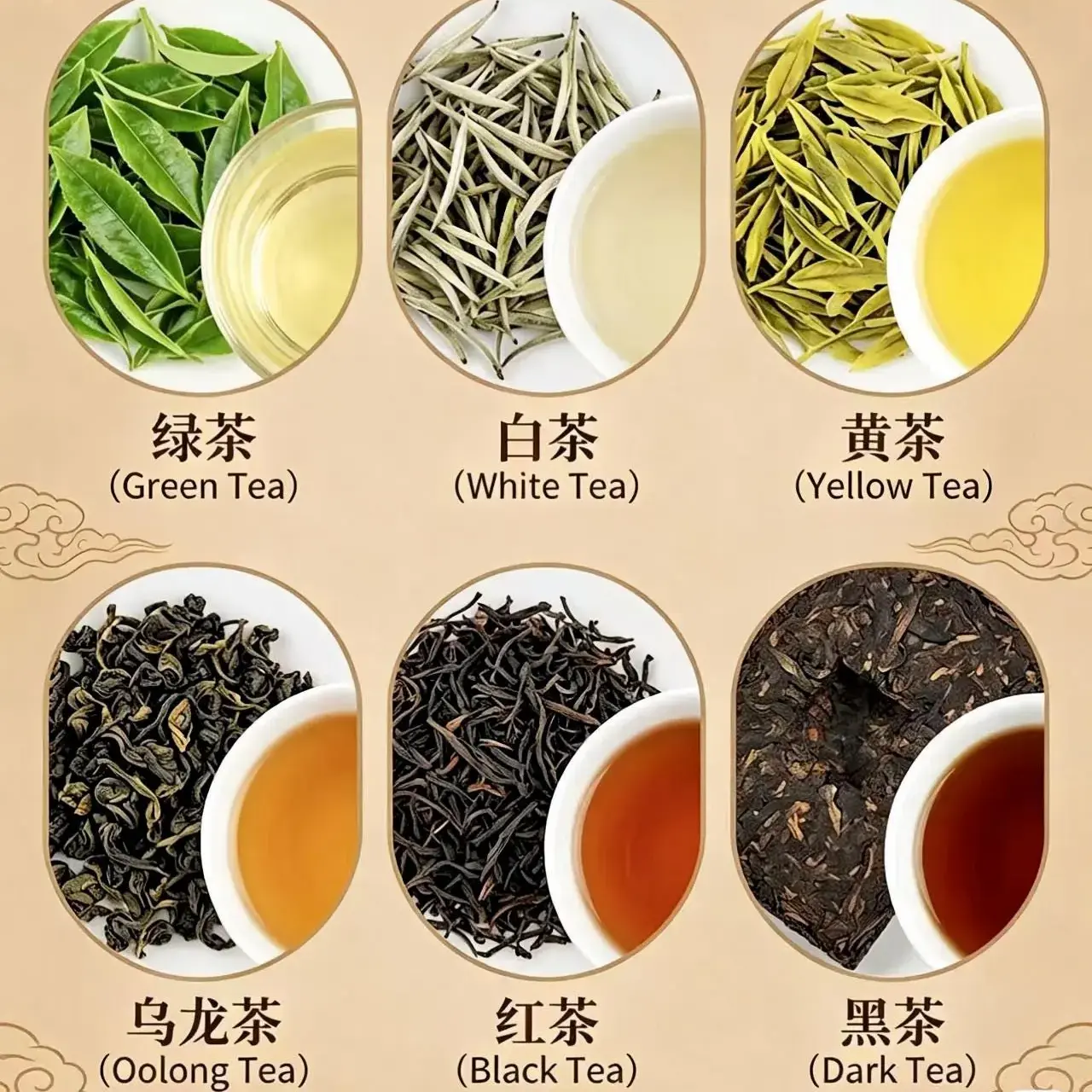
They are named differently based on factors such as the tea plant variety, physical characteristics, and region of origin. I won’t go into detail on this here, but if you are interested, please let me know in the comments section,maybe I will write a article about it.
Common Misconceptions About Chinese Tea Names
This article will take you from the basics to more advanced concepts. We will start by exploring the chemical components that influence tea flavor and the various fermentation methods.
With this background knowledge, you will be able to understand the purpose and principles of processing required to achieve the specific flavor profile of a given tea. Let’s get started.
First, let’s look at the main components that influence tea flavor:
- Caffeine (an alkaloid): The primary source of bitterness in tea. Levels are higher in tender leaves. Caffeine is chemically stable, so its content remains largely unchanged during processing.
- Tea polyphenols: This is a collective term for a group of substances. Catechins are a key component here, responsible for the tea’s astringency. Upon oxidation, they transform into theaflavins, thearubigins, and theabrownins—substances that each contribute different flavor characteristics. Tea polyphenols can oxidize spontaneously, a process that is accelerated by contact with enzymes or microorganisms.
- Amino acids (notably L-theanine): L-theanine is unique to tea; it imparts a pleasant, lingering sweetness ( hui gan ) and helps balance out the bitterness and astringency caused by caffeine and tea polyphenols. 4. Enzymes: Biological catalysts located within the cells of fresh tea leaves; while they do not provide flavor themselves, they facilitate the oxidation of catechins, thereby altering the tea’s flavor profile.
- Small amounts of soluble sugars: Contribute a subtle, mellow sweetness.
- Enzymatic oxidation (endogenous enzyme fermentation): Relies on the reaction between the tea leaves’ own enzymes and the tea polyphenols contained within them.
- Moist-heat non-enzymatic oxidation (auto-oxidation of tea polyphenols): Involves providing appropriate temperature and humidity to allow tea polyphenols to undergo hydrolysis spontaneously, without the involvement of enzymes or microorganisms.
- Microbial fermentation (exogenous microbial fermentation/post-fermentation): Relies on external microorganisms from the environment (such as molds and bacteria) to metabolize and transform substances like tea polyphenol
With this background knowledge in mind, let’s examine the tea processing steps.
I will first introduce the processing steps for Green tea, and then, building on that foundation, explain the differences found in other types of tea.
Green Tea Processing
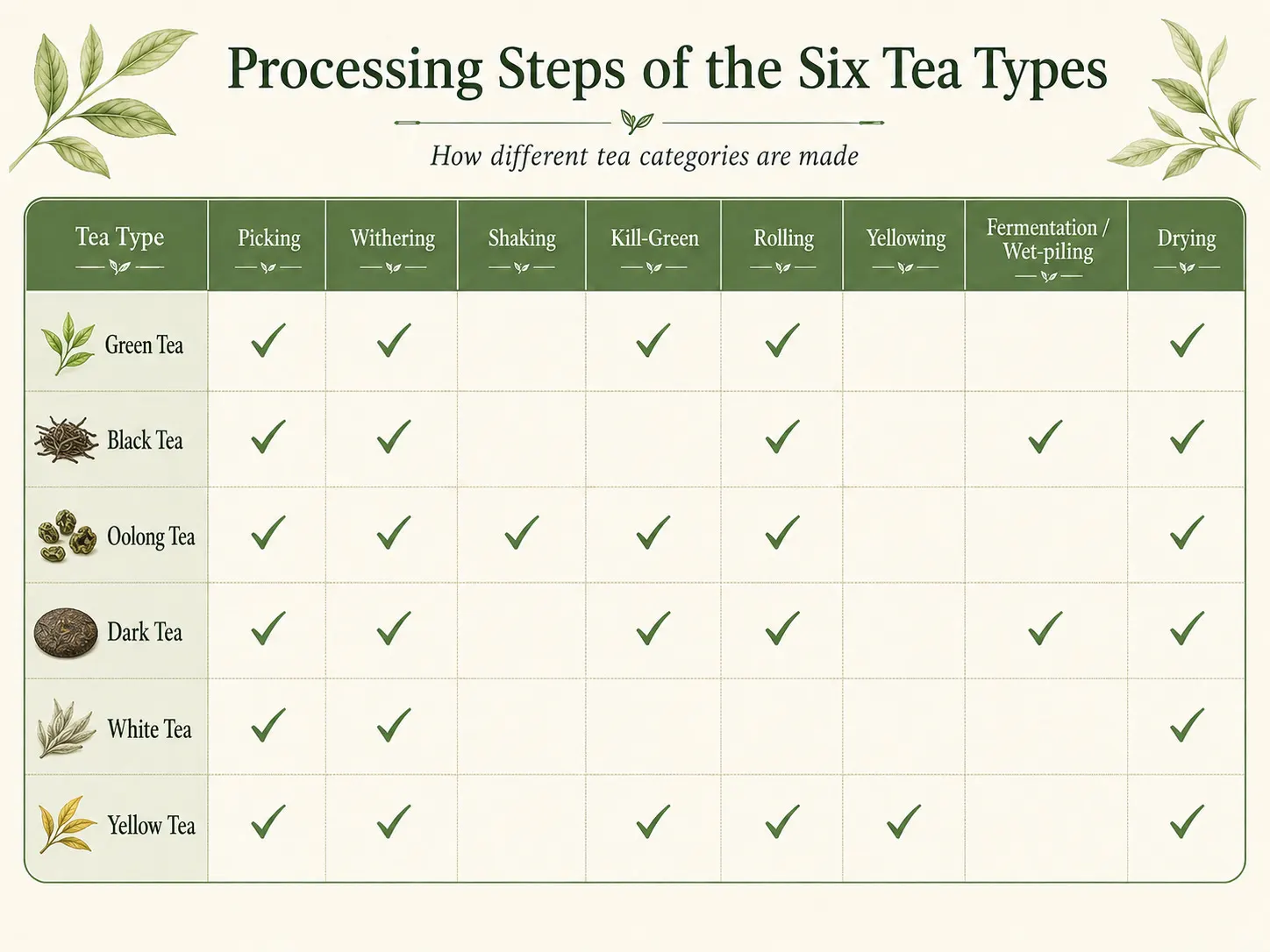
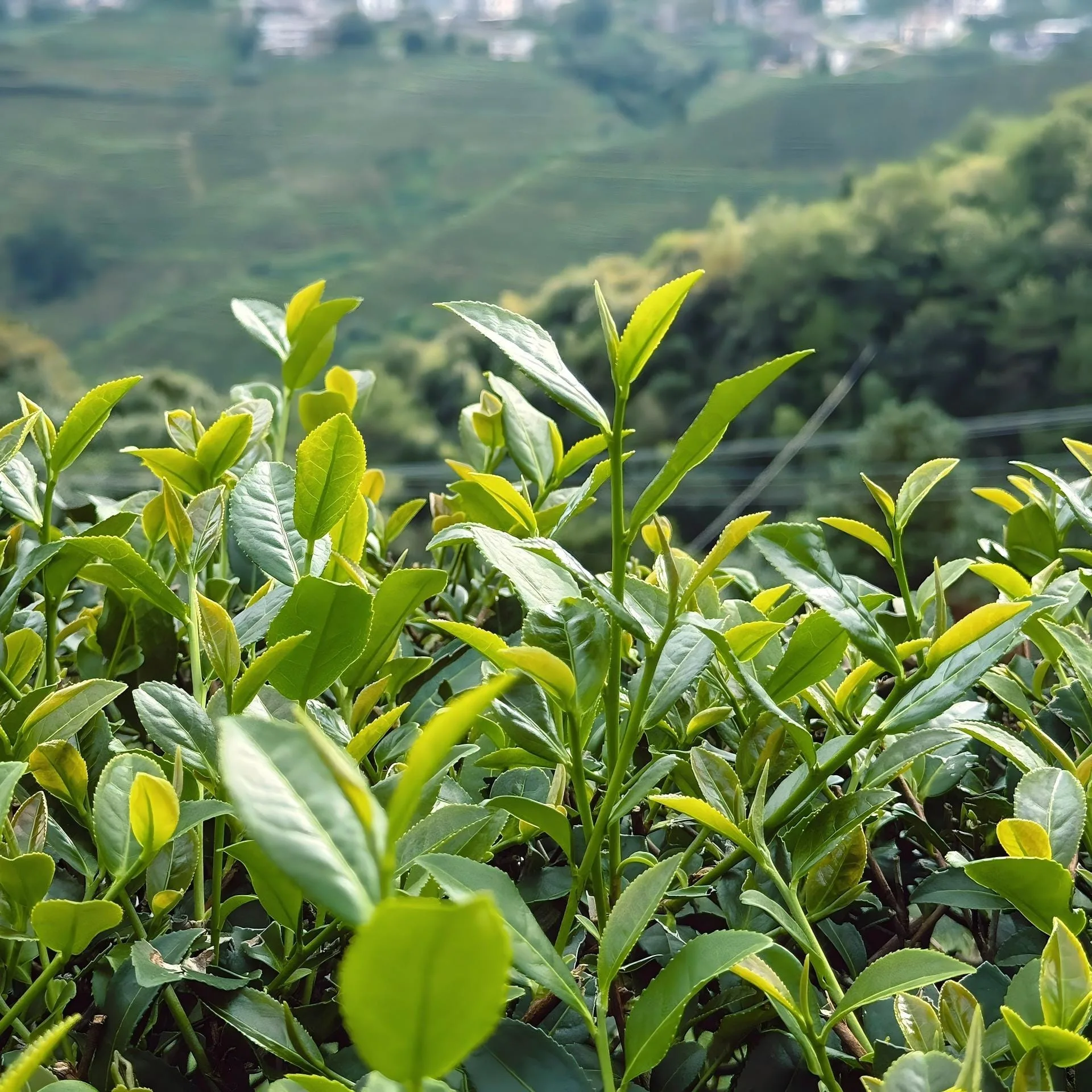
- Plucking: Selecting suitable tea plant varieties and adhering to specific plucking standards—such as a single bud, one bud with one leaf, or one bud with two leaves.
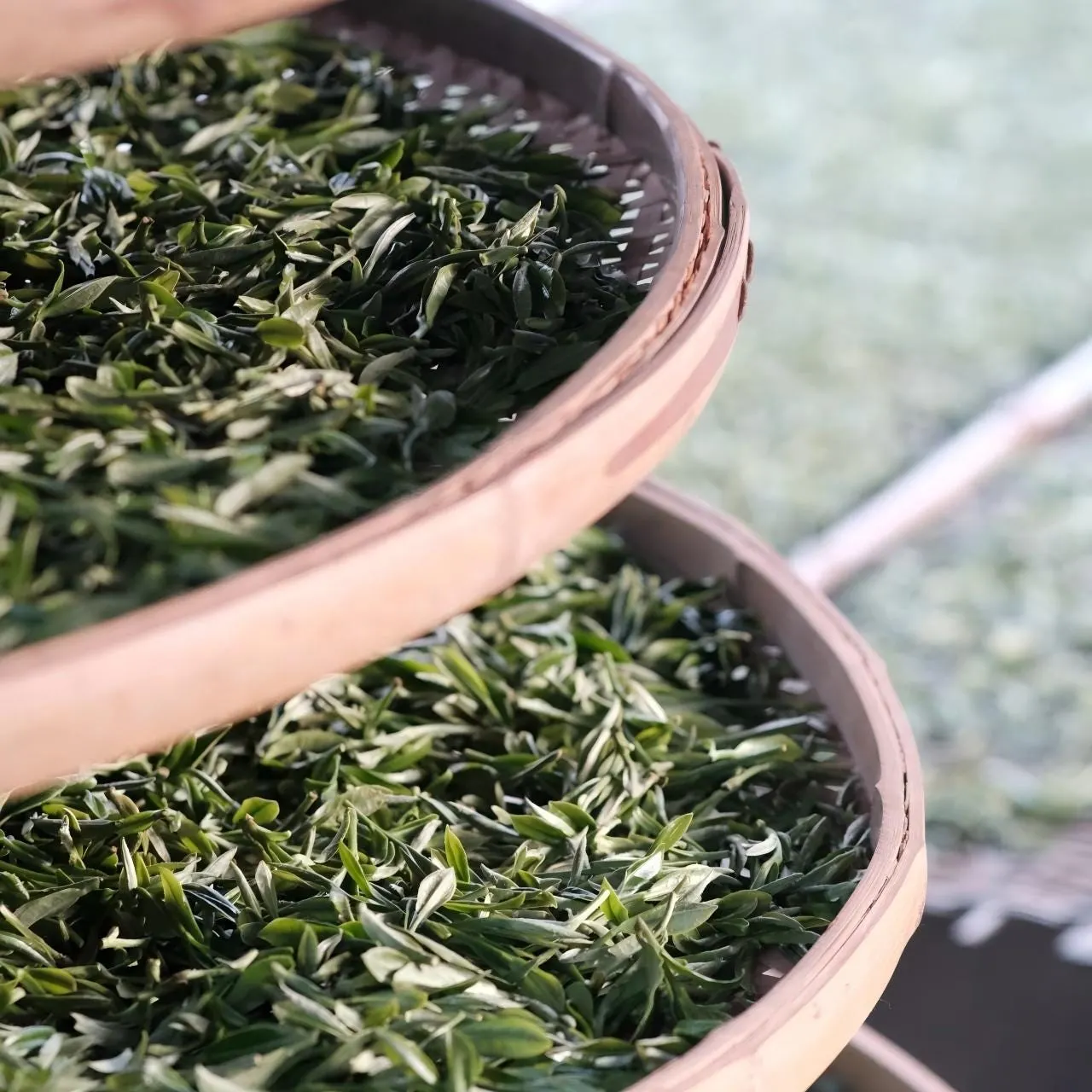
- Withering: Evenly spreading the freshly plucked leaves in a well-ventilated area to allow for natural moisture loss; this softens the leaves and reduces the “grassy” odor, preparing them for subsequent steps.
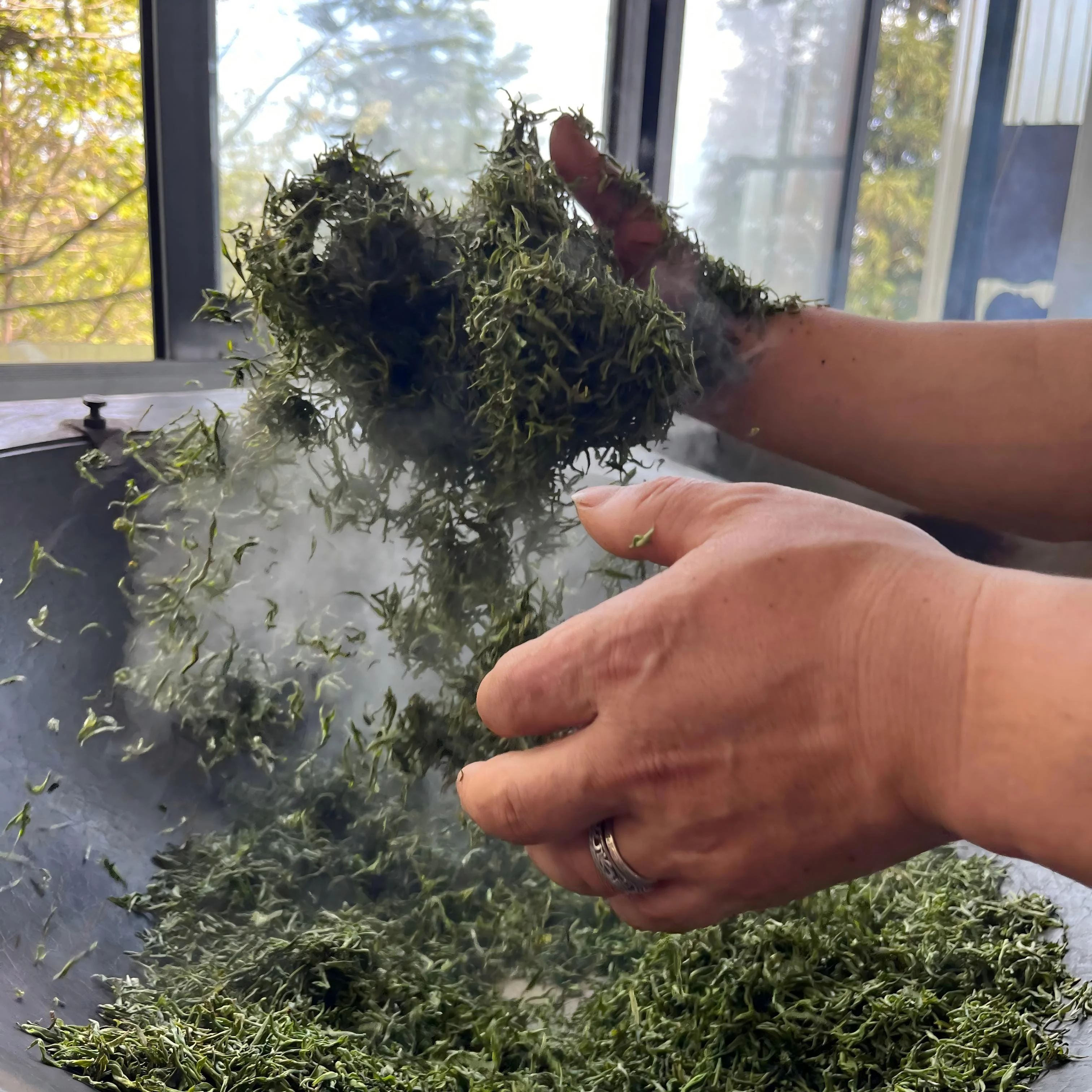
- Fixing (Kill-green): Using high heat—such as pan-firing, steaming, or baking—to deactivate enzymes in the fresh leaves, inhibit the oxidation of polyphenols, and preserve the tea’s green color and freshness.
- Rolling: Using mechanical means or manual labor to roll the leaves, causing them to curl into strips; this process ruptures cell walls, releases tea juices, and enhances the concentration of the brewed tea.
- Drying: Using methods such as baking, pan-drying, or sun-drying to further evaporate moisture, set the shape, develop the aroma, and ensure the tea is suitable for storage.
White Tea Processing
Yellow Tea Processing
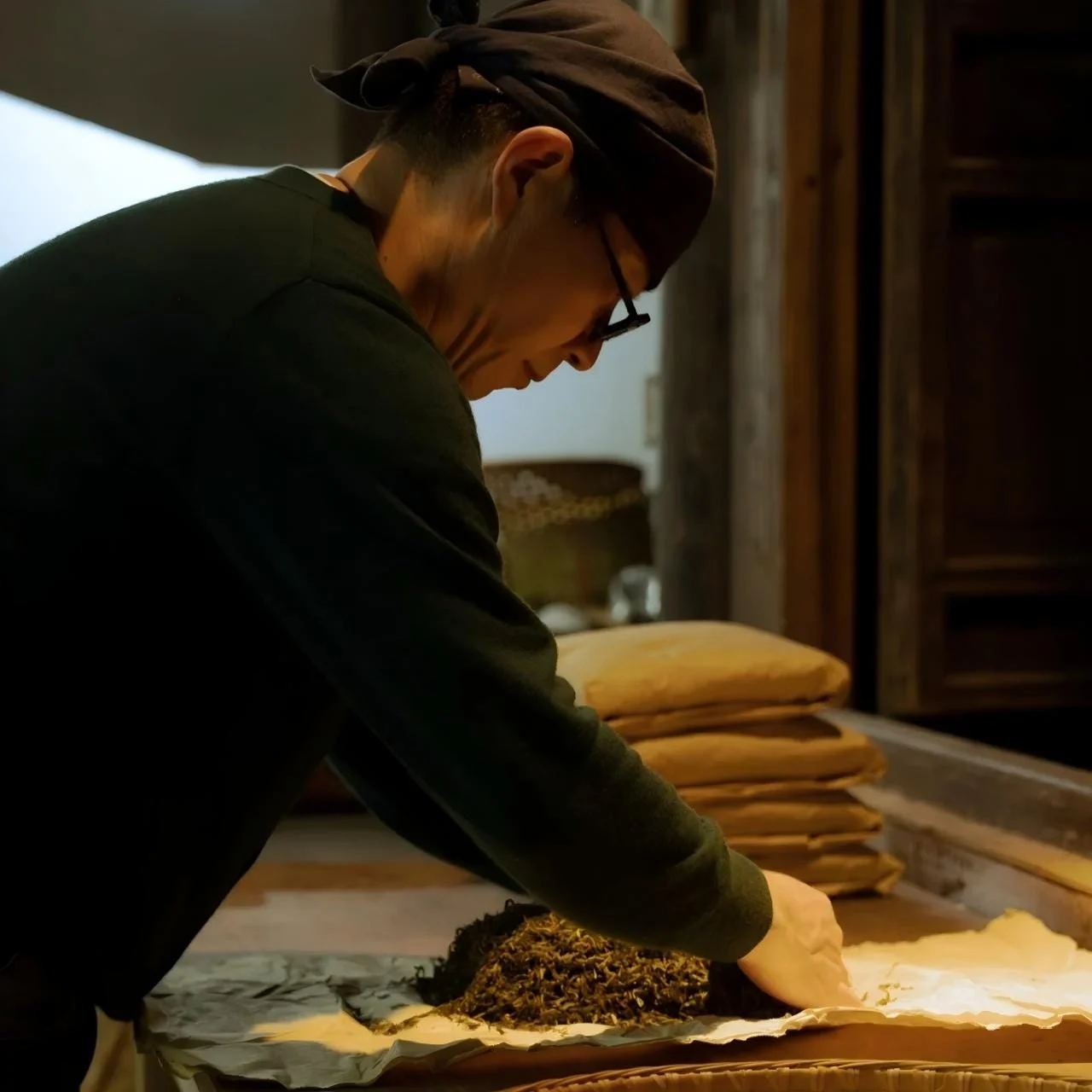
- Yellowing: Tea leaves are wrapped in cloth or paper, allowing them to undergo slight fermentation under controlled humidity and temperature; this effectively reduces bitterness and astringency.
Oolong Tea Processing
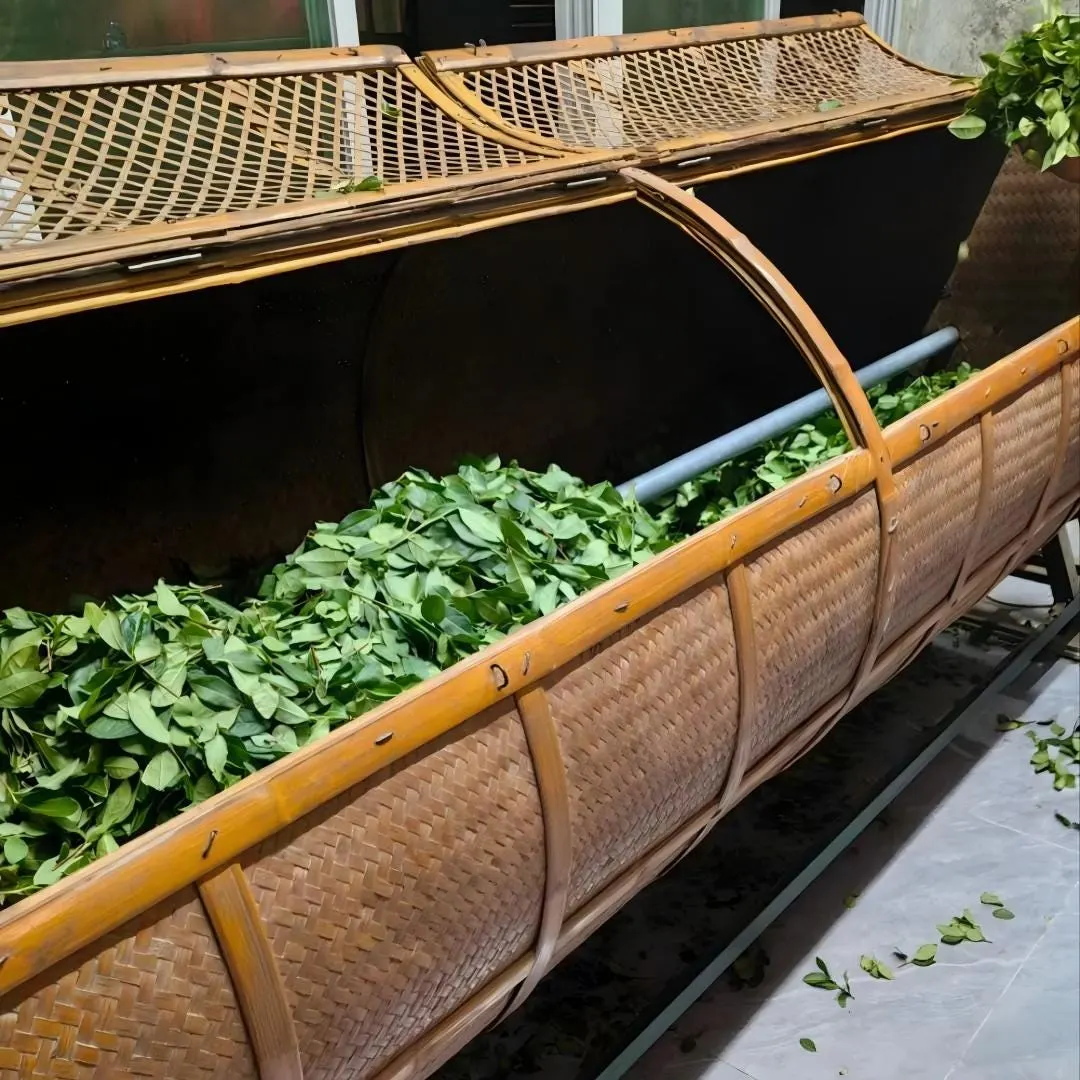
- Shaking: Through manual or mechanical means, the leaves are repeatedly shaken and then allowed to rest. This causes the leaves to collide with one another, facilitating contact between enzymes and tea polyphenols to trigger enzymatic oxidation (fermentation). Once the desired level of fermentation is achieved, the agitation stops, and high heat is applied to deactivate the enzymes and prevent further fermentation.
Black Tea Processing
- Fermentation: Under controlled conditions of temperature, humidity, and oxygen, the rolled leaves are spread out in fermentation trays, carts, or rooms. This allows enzymes and catechins to react fully until the leaves turn a bright reddish hue, the grassy odor dissipates, and a sweet aroma emerges.
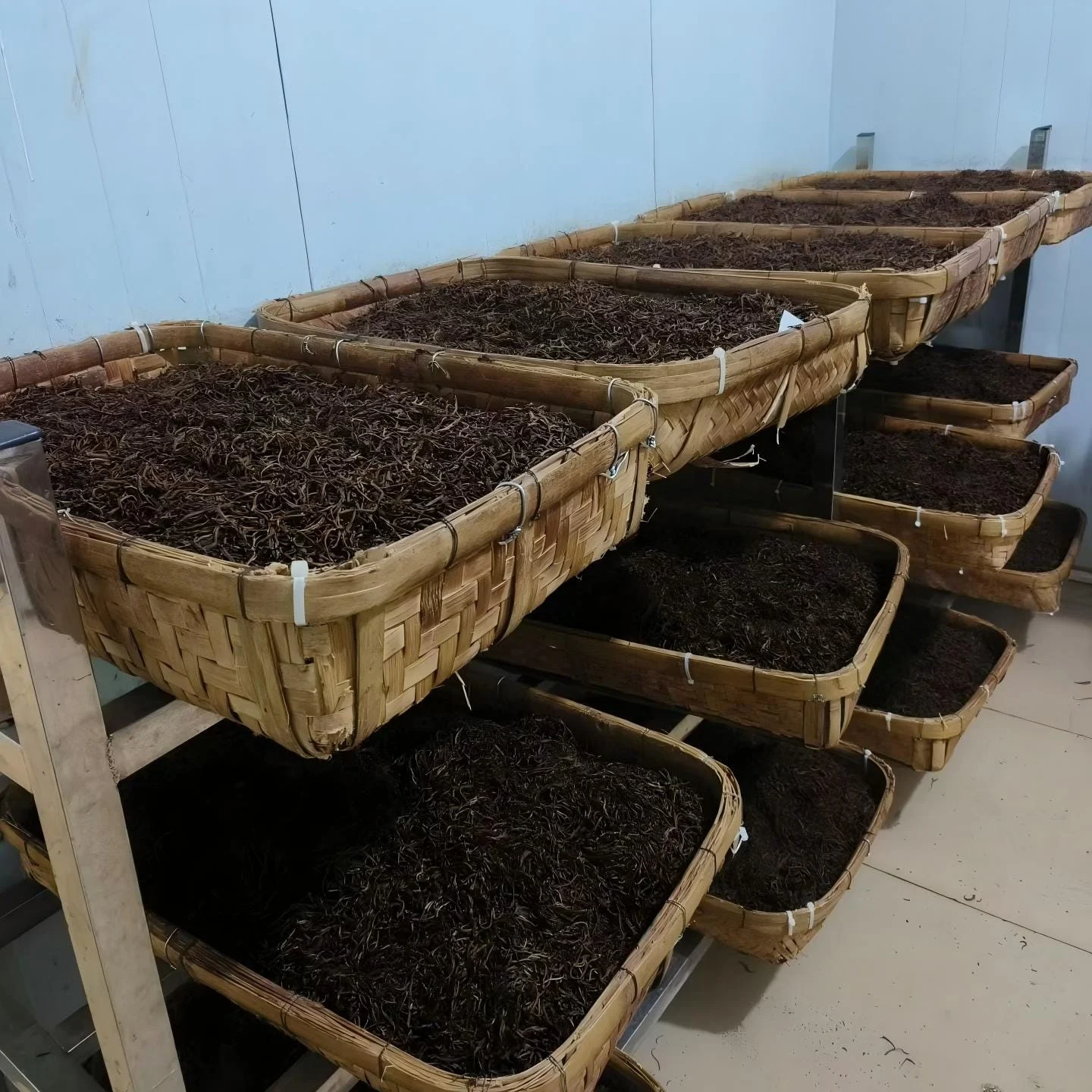
Dark Tea Processing
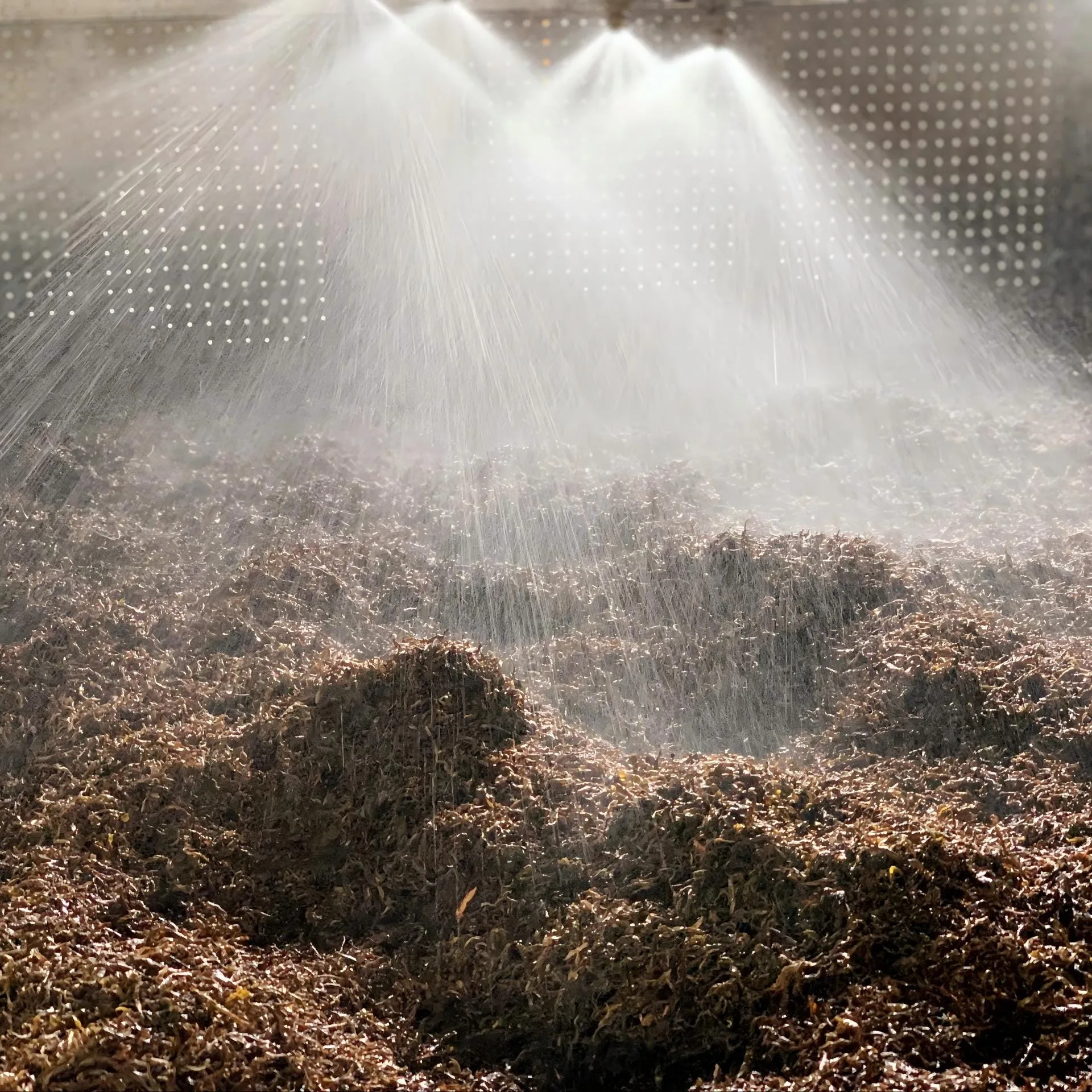
- Wet-piling: Since the endogenous enzymes in the raw tea leaves have been deactivated during the kill-green step, this process relies on external microorganisms (such as Aspergillus niger, yeasts, and lactic acid bacteria) secreting extracellular enzymes. These enzymes, combined with a hot and humid environment, work to transform the catechins.