
In China, people traditionally brew whole tea leaves in a cup, teapot, or gaiwan (a traditional Chinese lidded bowl). One of the most classic Chinese brewing methods is KungFu Brewing.
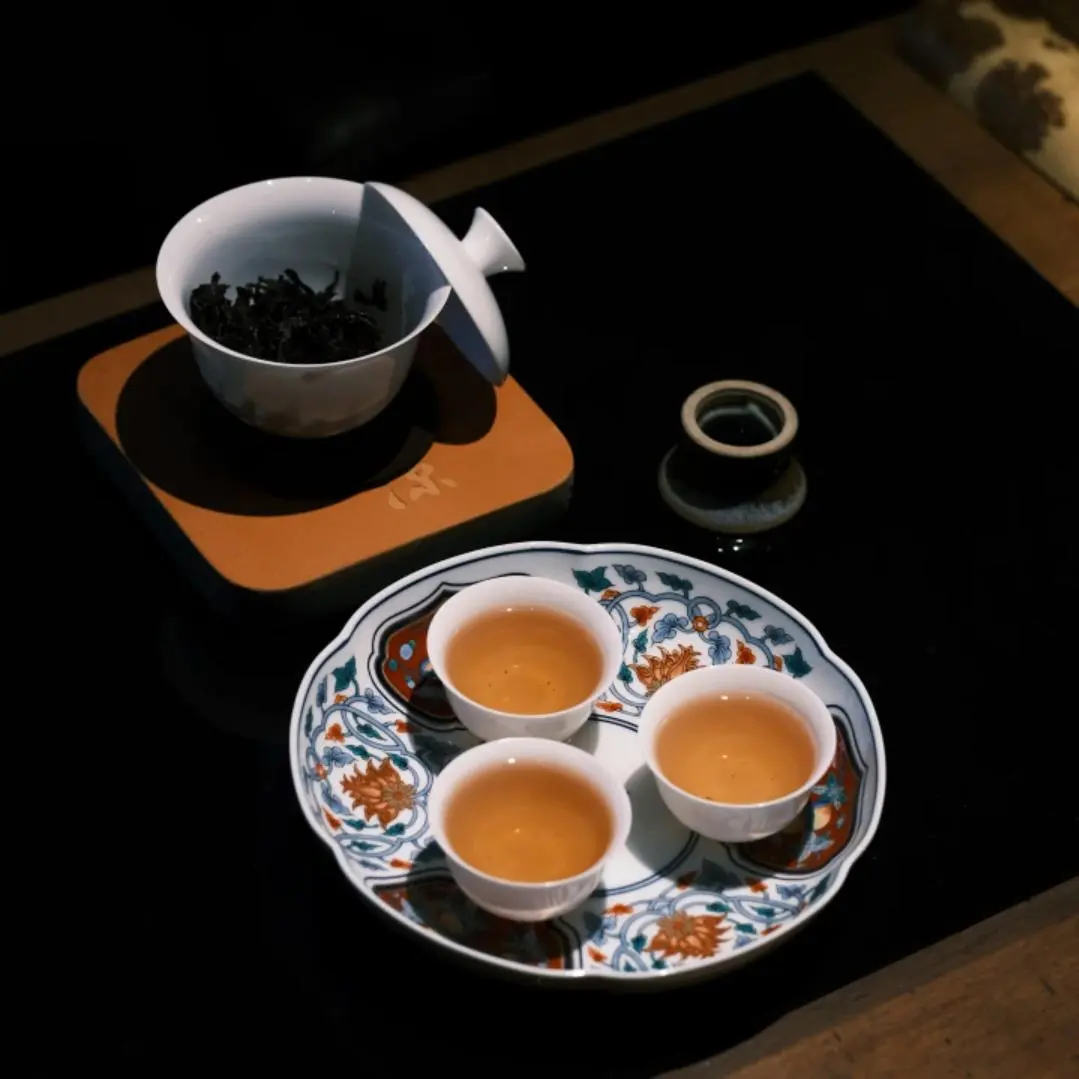
In Western countries like the UK and the US, people are more accustomed to placing a tea bag in a cup, adding hot water, and letting it steep for a few minutes.
So, what's the difference between these two ways of making tea? If tea bags are more convenient, why do so many Chinese people still prefer loose-leaf tea?
What's the Difference Between Loose-Leaf Tea and Tea Bags?
When made from tea leaves of the same quality, loose-leaf tea and tea bags are not fundamentally different in terms of the tea itself. The main difference is their physical form.
It's a bit like eating with a fork and knife versus chopsticks. What makes a meal delicious is the food itself, not the utensils you use.
Many Chinese tea lovers understand this. So why do they still prefer loose-leaf tea over tea bags?
Why Do Chinese People Prefer Loose-Leaf Tea?
It's Easier to Judge Tea Quality
Chinese tea drinkers often judge tea quality by examining the leaves.
For example, they may look at the color for clues about how the tea was processed, or examine the proportion of buds to understand the maturity of the leaves when they were picked.
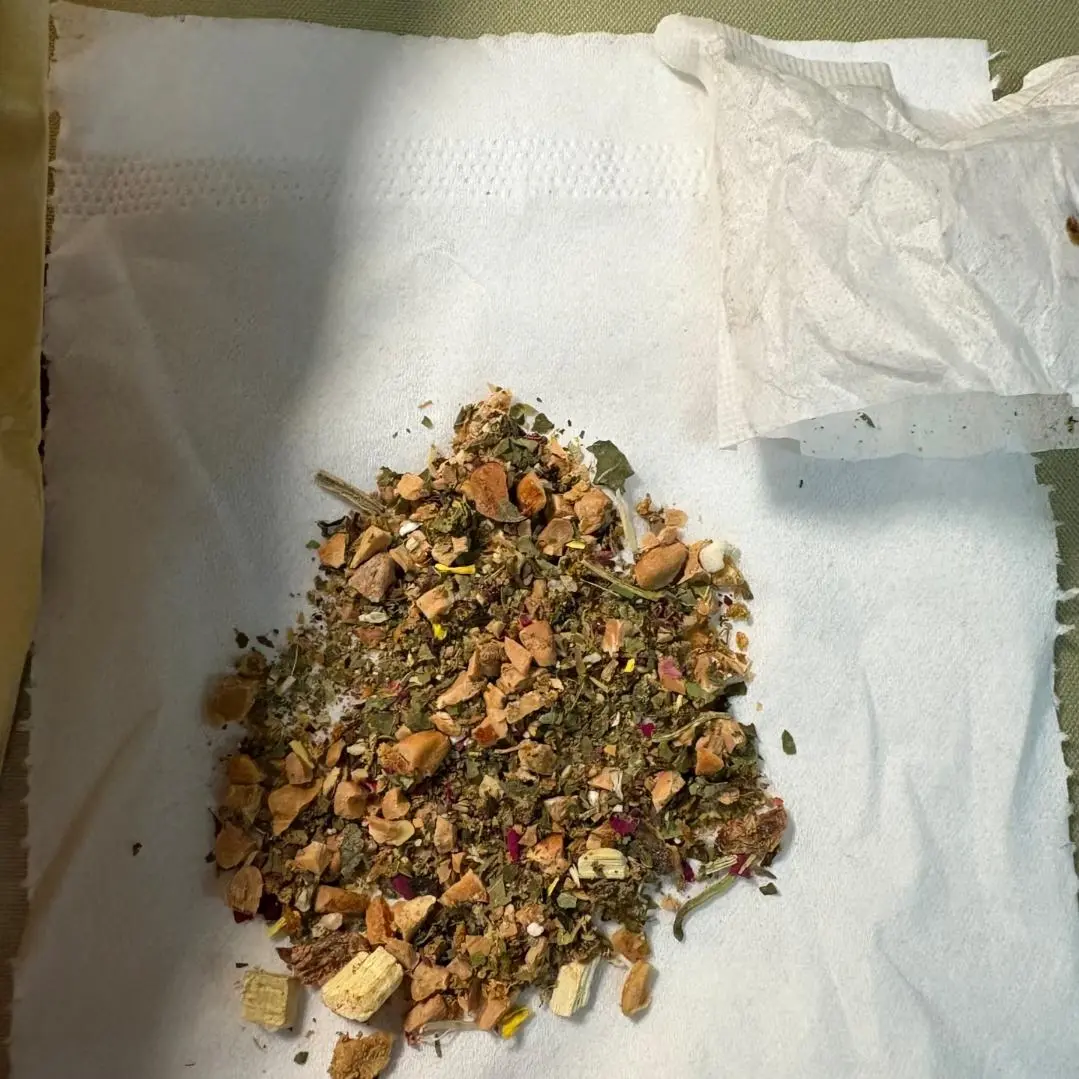
Most ordinary tea bags contain broken or finely cut leaves, making it difficult to see what the original leaves looked like. This can also make it easier for some sellers to pass off lower-quality tea as premium tea.
As mentioned earlier, tea bags and loose-leaf tea can be equally good when made from the same quality leaves.
The real question is whether the tea inside the bag is actually as good as the seller claims.
Chinese Tea Culture Values Changes in Flavor
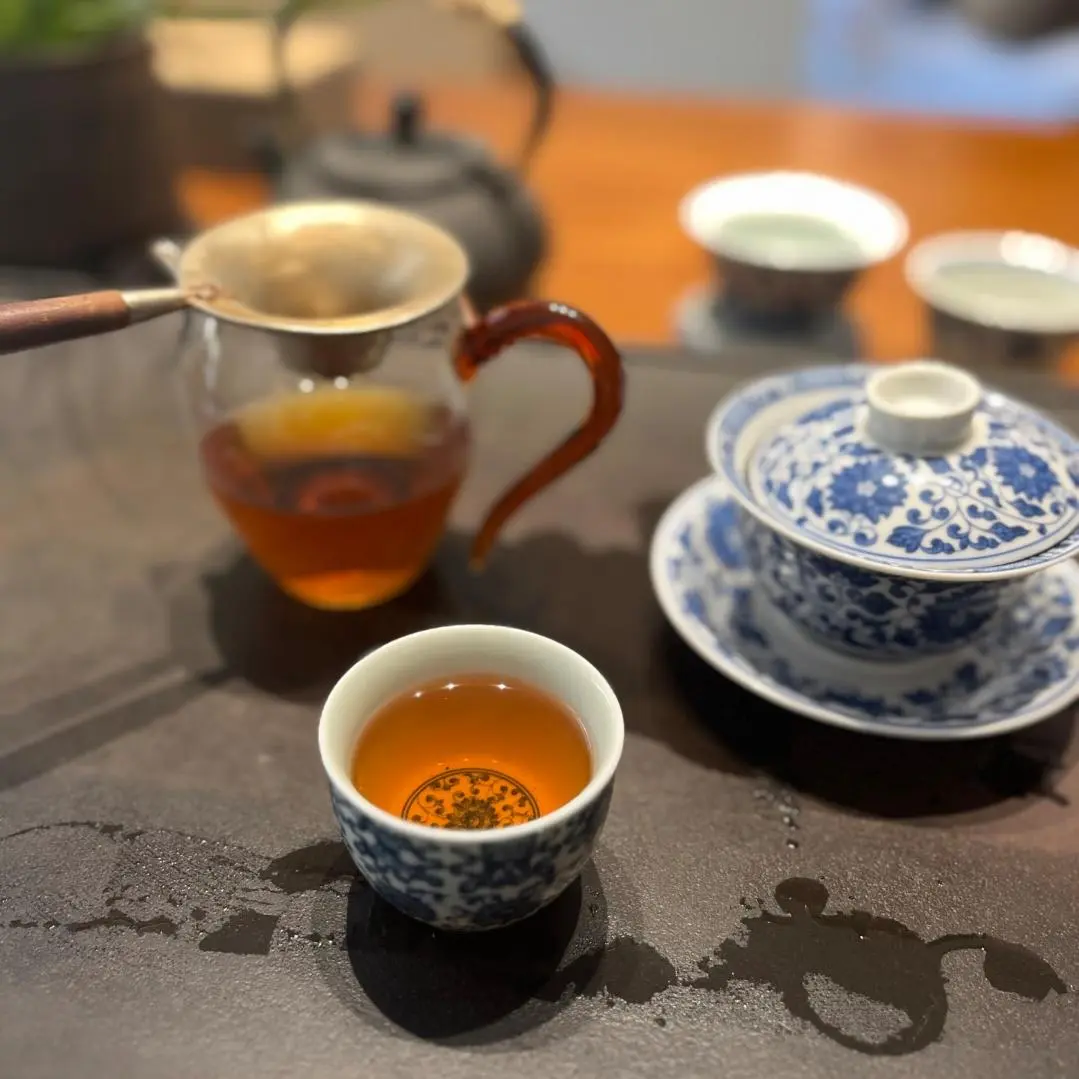
Loose-leaf tea allows drinkers to adjust the amount of tea, water temperature, steeping time, and number of infusions.
Different brewing methods can bring out different flavors, aromas, and colors, even from the same tea leaves.
Tea bags can also make delicious tea, but most everyday tea bags are designed to produce a quick, consistent cup rather than let people explore how the same leaves change over multiple infusions.
The Brewing Process Is Part of the Enjoyment
For many Chinese tea lovers, making tea isn't just about drinking the final cup. The brewing process itself is part of the pleasure.
Boiling water, preparing the leaves, pouring water, smelling the aroma, and tasting the tea—these simple actions allow people to put aside their daily tasks and focus on the cup in front of them.
Watching the leaves slowly unfold, observing the color of the tea, enjoying its aroma, and tasting its flavor. Gradually, attention shifts away from the noise of the outside world, and the mind begins to settle.
Sometimes, making tea feels like having a quiet conversation with yourself. There's no need to achieve anything. You simply observe, experience, and reflect.
This attitude of finding inner peace in simple everyday activities also reflects the spirit of the Chinese tea ceremony.
Brewing Tea Is a Social Ritual
In traditional Chinese culture, tea is more than just a drink. It's also an important part of hospitality.
If you've ever done business with Chinese people, this scene might be familiar.
When visiting a Chinese company's office or factory, your host may invite you to sit down, make tea, and talk while drinking together.
People gather around the tea table. As the leaves are brewed again and again, the tea gradually changes, and the conversation flows naturally.
Here, making tea isn't just about serving guests. It's also a way to show respect and build relationships.
Sometimes, a pot of tea can turn a formal business conversation into something much more relaxed and personal.
The Benefits of Tea Bags
We've talked about why many Chinese tea drinkers prefer loose-leaf tea, but that doesn't mean tea bags have no advantages.
There's a reason tea bags have become so popular around the world.
Convenient and Easy to Use
Convenience is the biggest advantage of tea bags.
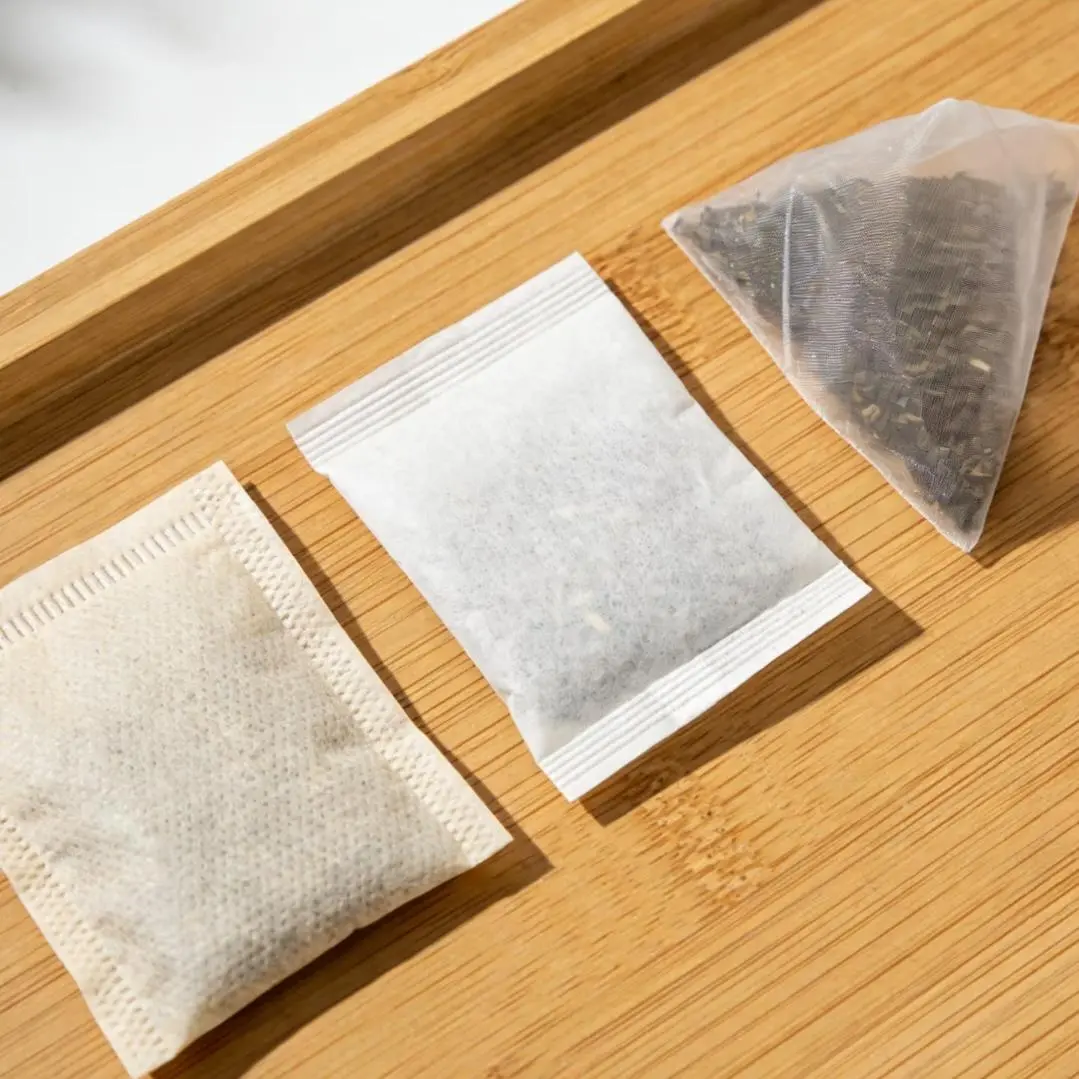
You don't need a teapot, a strainer, or even to measure the tea leaves. Simply put a tea bag in your cup, add hot water, and wait a few minutes.
When you're finished, just remove the bag. There's no need to clean up loose tea leaves.
Loose-leaf tea, on the other hand, usually requires some brewing equipment, even if it's just a cup with a built-in strainer.
Whether you're at the office, traveling, or rushing through a busy morning, tea bags make drinking tea much easier.
Affordable
Ordinary tea bags often contain smaller or broken tea leaves, which are generally less expensive. Large-scale production also helps keep prices low.
That's why everyday tea bags are often cheaper than premium loose-leaf tea.
Of course, this doesn't mean all tea bags contain lower-quality leaves. We're only talking about common market practices.
High-quality tea bags can be expensive, and some may even taste better than certain loose-leaf teas.
Consistent Flavor
Most tea bags contain a fixed amount of tea. Many major brands also blend leaves from different batches to maintain a consistent flavor.
By using similar amounts of water, the same temperature, and the same steeping time, you can easily make a familiar cup of tea.
For people who drink tea every day, exploring new aromas and flavors isn't always the goal.
Sometimes, they just want a simple cup of tea they know they'll enjoy.
Potential Health Concerns About Tea Bags
Some tea bags are made with plastic or plastic-containing materials, which may release microplastic particles when steeped in hot water.
However, not all tea bags contain plastic, and the potential effects of these particles on human health are still being studied.
If this concerns you, it's worth checking what materials the tea bags are made from before buying them.
Loose-Leaf Tea vs. Tea Bags: Which Is Right for You?
There's no absolute winner between loose-leaf tea and tea bags. It all depends on what matters most to you.
If you care about tea quality and natural flavor, enjoy exploring different aromas and tastes, and appreciate how tea changes over multiple infusions, loose-leaf tea may be a better choice.
If you also enjoy the brewing process, want to slow down during a busy day, or like sharing tea with friends, loose-leaf tea offers something beyond the drink itself.
If convenience, speed, and affordability matter more to you, and you simply want a familiar cup of tea during your day, tea bags may be the better option.
Of course, you don't have to choose just one.
You can enjoy tea bags on busy weekdays and brew loose-leaf tea when you have more time to relax.
After all, tea isn't just about what you drink. It's also about how you enjoy it.
The best way to drink tea is the one that suits you.