
If you want to know which tea pairs well with a particular dish, you can simply ask AI and get a detailed list of recommendations.
But AI's suggestions may not match your personal taste. It can tell you which teas might pair well with a dish, but it cannot taste them for you or decide whether a particular tea actually makes your meal more enjoyable.
There is no single right answer when it comes to pairing tea with food. Ingredients, cooking methods, seasonings, and personal preferences all influence the final experience.
That's why understanding how the flavors of tea and food interact is more valuable than memorizing which tea goes with which food.
And that's the purpose of this article.
We'll start by showing you how to identify a dish's overall flavor, explain the principles behind tea and food pairing, recommend Chinese teas for different food flavors, and help you find combinations you enjoy through tasting and experimenting.
By the end of this article, you'll have more than a list of recommendations. You'll have a practical method you can apply to different foods.
Whether you're enjoying a familiar meal or trying something new, you'll be able to explore tea pairings based on your own judgment, rather than relying entirely on AI or fixed pairing charts.
How to Identify a Dish's Overall Flavor
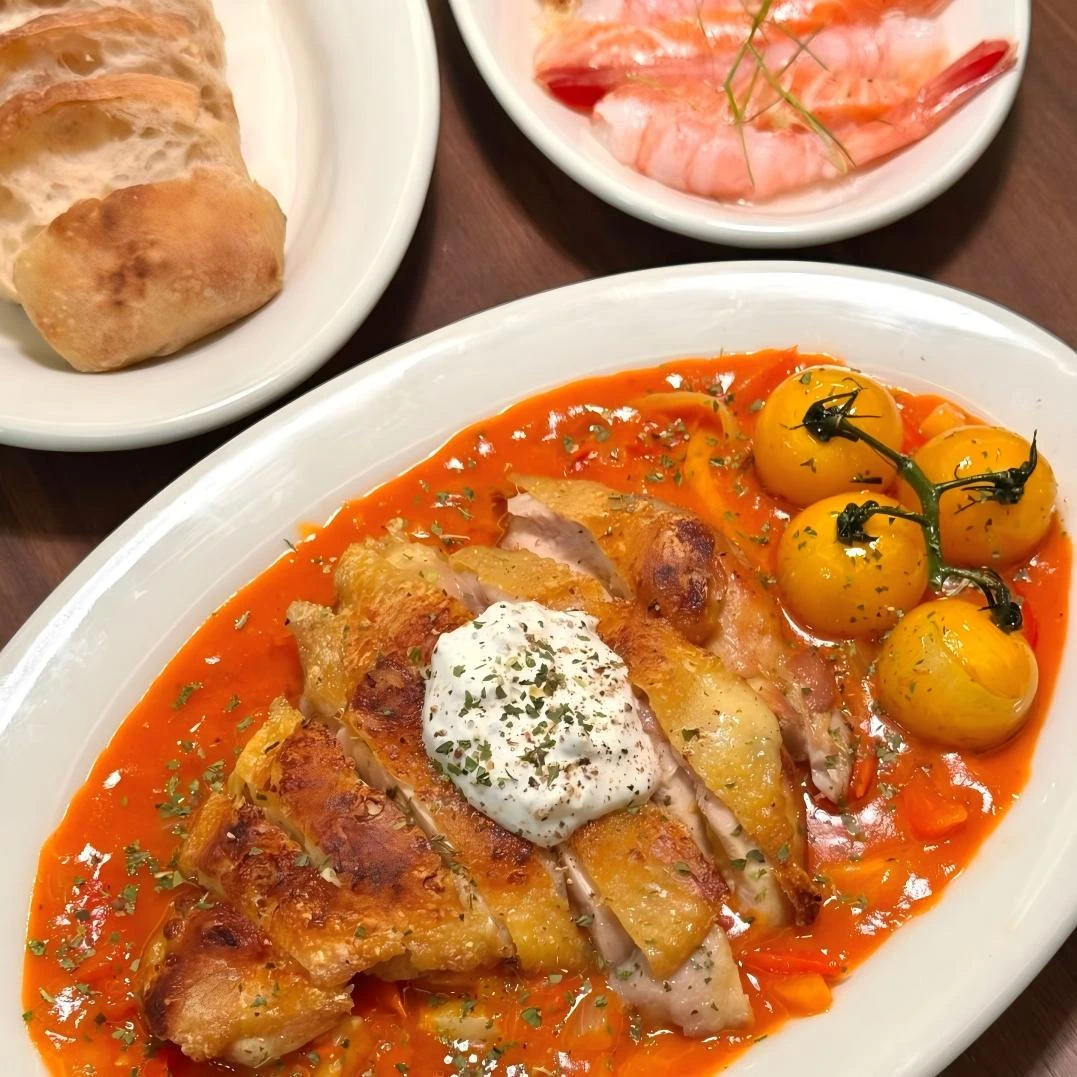
The overall flavor of a dish depends not only on its ingredients but also on how it's cooked and seasoned.
Therefore, the first step in pairing tea with food is not identifying the ingredients, but understanding the dish's overall flavor.
You can quickly evaluate it using four factors:
| Factor | What to Look For | Examples |
|---|---|---|
| Basic Tastes | Sweet, sour, salty, bitter, umami | Sweet and sour pork ribs have a combination of sweetness and acidity. |
| Flavor Intensity | Light, moderate, or rich; short or lingering aftertaste | Steamed fish has a delicate flavor, while red-braised pork is rich and intense. |
| Cooking Method | Raw, cold-dressed, pickled, fermented, steamed, boiled, stewed, simmered, braised, stir-fried, pan-fried, deep-fried, grilled, roasted, baked, smoked | Steamed chicken is tender and delicate, while fried chicken is rich, oily, and crispy. |
| Seasoning | Roasted, smoky, fruity, floral, herbal, spicy, garlicky, scallion, savory sauce, creamy, oily, crispy, smooth, chewy, hot, numbing | Honey-spicy roasted chicken combines sweetness, heat, roasted aromas, and richness. |
Keep in mind that a dish usually has several flavor characteristics.
For example, honey-spicy roasted chicken combines the sweetness of honey, the heat of chili peppers, and the roasted aromas developed during cooking. Its overall flavor is relatively intense.
You don't need to analyze every detail. Just identify the most prominent flavor characteristics.
For example, grilled steak is mainly characterized by roasted aromas, rich meaty flavors, and fattiness. Creamy mushroom pasta features creamy flavors, umami, and a rich texture. Kung Pao chicken combines sweet and spicy flavors, savory notes, and nutty aromas.
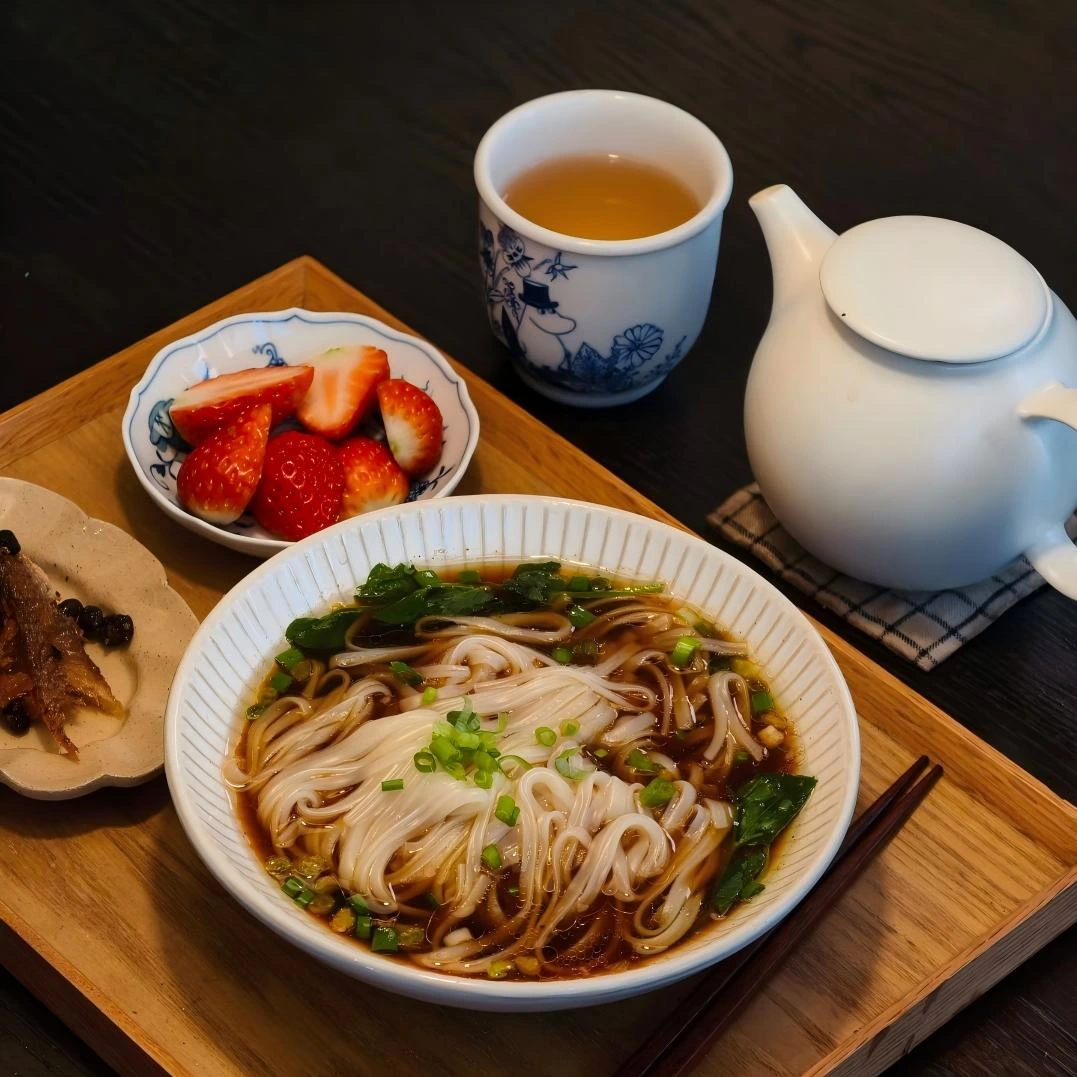
Understanding the Three Principles of Tea and Food Pairing
Why do some teas taste wonderful with certain foods, while other combinations seem to interfere with each other's flavors?
Although everyone has different preferences, tea and food pairing can generally be approached through three principles: Harmony, Contrast, and Complement.
These represent three different approaches: enhancing similar flavors, creating contrast between different tastes and sensations, and adding new layers of flavor.
1. Harmony: Bringing Similar Flavors Together
The idea behind harmony is to pair tea and food with similar flavors and comparable intensity, allowing them to enhance each other rather than compete.
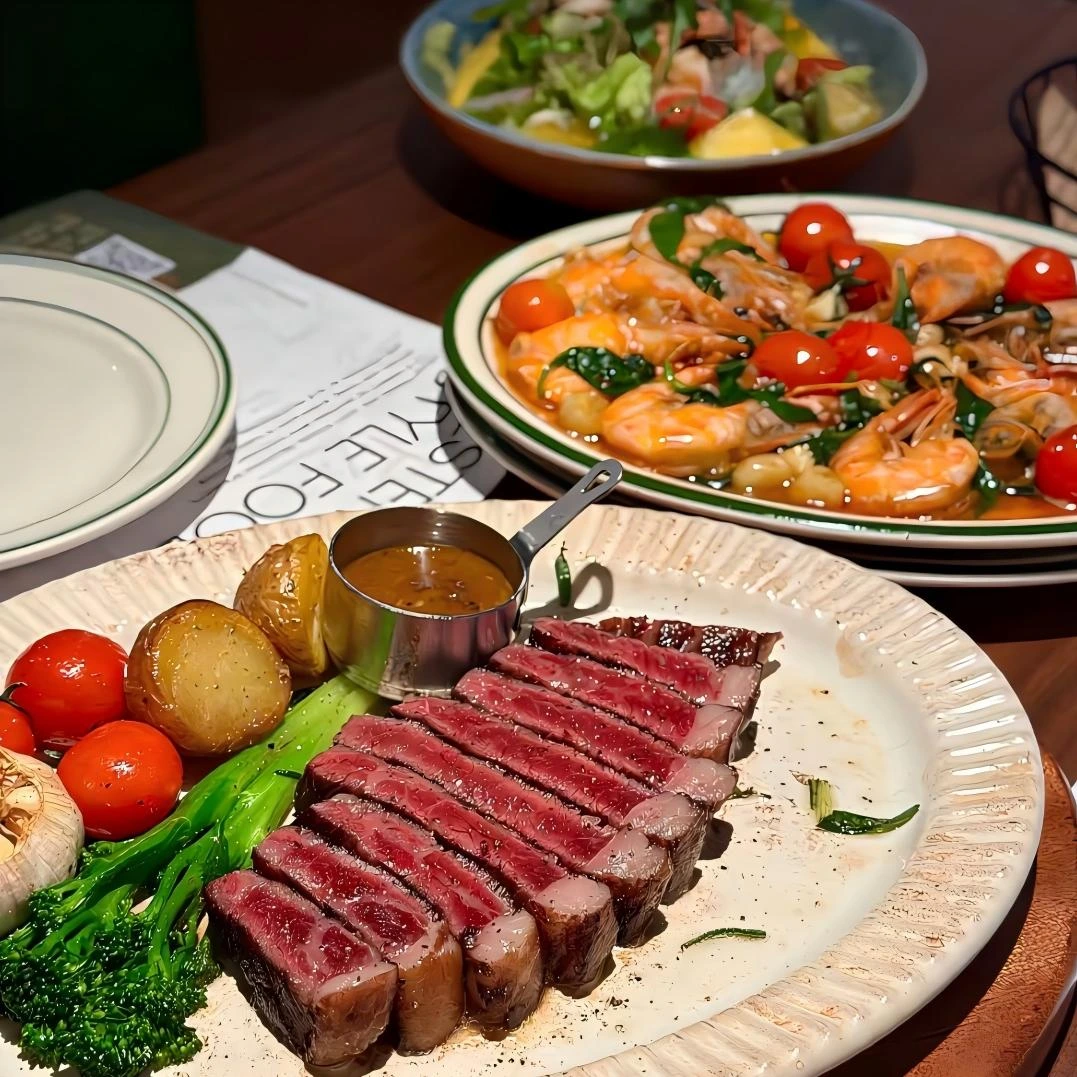
For example, grilled steak has rich meaty flavors and roasted aromas. You could pair it with Wuyi Rou Gui, an oolong tea known for its roasted character.
The tea's roasted notes echo the steak's charred flavors, while its full-bodied taste can stand up to the richness of the meat.
On the other hand, steamed fish has a much more delicate flavor. A fresh, gentle Longjing green tea would be worth trying. A strongly smoked Lapsang Souchong, however, might overpower the fish's natural umami.
Harmony comes down to two things: whether the tea and food share similar flavor characteristics, and whether their flavor intensities are balanced.
2. Contrast: Creating Different Taste Experiences
Contrast doesn't rely on similar flavors. Instead, it uses the differences between tea and food to create an interesting sensory experience.
For example, fried chicken and fish and chips have a noticeably rich, oily texture. You could try pairing them with an oolong or black tea that has moderate astringency.
The food provides richness, while the tea creates a slightly drying sensation in the mouth. Alternating between them creates a noticeable contrast, making the experience of eating several bites more varied.
Similarly, a slightly bitter black tea paired with a sweet caramel pudding may create a contrast between bitterness and sweetness, making the dessert feel more balanced.
The goal of contrast is to use differences to make the overall experience more enjoyable, rather than letting the flavors compete.
A good contrasting pairing should make the characteristics of both the tea and food more noticeable, without allowing one to spoil the experience.
For example, a very bitter or astringent tea paired with highly acidic or spicy food may sometimes intensify unpleasant sensations.
3. Complement: Adding New Layers of Flavor
Complementary pairing uses the different characteristics of tea and food to create a richer overall flavor experience.
For example, plain roasted chicken mainly has savory, meaty flavors and roasted aromas. You could try pairing it with Oriental Beauty, an oolong tea known for its honey-like and fruity notes.
The chicken provides rich, savory, roasted flavors, while the tea introduces fruity and honey-like aromas that are less noticeable in the food itself.
Together, they create a more layered flavor experience.
Another example is creamy mushroom pasta. Its main characteristics are creaminess and the umami of mushrooms. Pairing it with a floral Phoenix Dan Cong oolong could introduce a fresh aromatic dimension to an otherwise rich dish.
The goal of complementary pairing is to let tea introduce new flavors that make the overall experience more interesting.
| Pairing Principle | Desired Effect | How to Choose |
|---|---|---|
| Harmony | Highlight the food's existing flavors | Choose tea with similar aromas and comparable intensity |
| Contrast | Create a different sensation in the mouth | Choose tea that provides a pleasant contrast to the food |
| Complement | Add new layers of flavor | Choose tea with different but compatible flavor characteristics |
How Do You Choose a Pairing Approach?
Taste is personal, so you don't need to follow any single pairing principle strictly.
These three approaches are not mutually exclusive. The same pairing can create harmony, contrast, and complementary effects at the same time.
Now that you understand these principles, you can start exploring Chinese teas based on the overall flavors of your food.
Find Chinese Tea Based on Your Food's Overall Flavor
You don't need to memorize which tea goes with every dish. Simply identify the food's most prominent flavor characteristics using the method above, then choose a pairing approach.
The following two tables provide examples of common food flavors, dishes, desserts, and Chinese teas worth trying. Use them as a reference rather than fixed rules.
Tea Pairings for Savory Foods
| Overall Flavor | Typical Foods | Recommended Chinese Teas | Pairing Principle |
|---|---|---|---|
| Light and Umami-Rich | Steamed fish, steamed chicken, sushi | Longjing, Anji Bai Cha | Harmony: The tea's fresh, gentle character complements the food's umami without overpowering its natural flavors. |
| Fresh and Herbal | Herb-roasted vegetables, basil chicken breast, cucumber salad | Light-style Tieguanyin, Huangshan Maofeng | Harmony: The tea's fresh, vegetal aromas echo the herbs and vegetables. |
| Rich and Savory | Red-braised pork, beef stew, mushroom risotto | Ripe Pu-erh, Wuyi Shui Xian | Harmony: The tea's full-bodied character matches the intensity of the meat and savory sauces. |
| Roasted and Smoky | Grilled steak, smoked brisket, roast duck | Wuyi Rou Gui, smoked Lapsang Souchong | Harmony: The tea's roasted or smoky notes echo the flavors developed during cooking. |
| Rich, Oily, and Crispy | Fried chicken, fish and chips, fried spring rolls | Roasted Dong Ding Oolong, Keemun black tea | Contrast: The tea's moderate astringency creates a contrast with the food's richness. |
| Creamy and Rich | Creamy mushroom pasta, cheesy baked rice, garlic butter shrimp | Roasted oolong, Wuyi Shui Xian | Complement: The tea's roasted aromas add another layer of flavor to the creamy dish. |
| Sweet and Sour | Sweet and sour fish, lemon tart, fruit salad | Oriental Beauty, Jin Jun Mei | Harmony: The tea's fruity and honey-like aromas echo the food's sweet and tangy flavors. |
| Sweet and Rich | Dark chocolate, brownies, caramel pudding | Dian Hong, Keemun black tea | Complement: The tea's malty, floral, and fruity notes add complexity to rich desserts. |
| Intensely Spicy | Sichuan hot pot, spicy curry, spicy chicken wings | Lightly brewed Bai Mudan, low-astringency light-style oolong | Harmony: Gentle, low-astringency teas avoid adding excessive bitterness or astringency to an already intense dish. |
Tea Pairings for Desserts and Pastries
| Dessert Flavor | Typical Desserts | Recommended Chinese Teas | Pairing Principle |
|---|---|---|---|
| Light and Fruity | Fruit salad, peach cake | Bai Mudan, Oriental Beauty | Harmony: The tea's floral and fruity aromas complement the fruit's natural sweetness. |
| Sweet and Tangy | Lemon tart, berry pie | Oriental Beauty, lightly brewed Bai Mudan | Complement: The tea's honey-like and floral notes add depth to the sweet and sour flavors. |
| Creamy and Smooth | Cheesecake, panna cotta, cream puffs | Jin Jun Mei, lightly roasted oolong | Contrast: The tea's moderate astringency contrasts with the dessert's rich, creamy texture. |
| Caramelized and Roasted | Caramel pudding, crème brûlée | Roasted Dong Ding Oolong, Dian Hong | Harmony: The tea's roasted and sweet aromas echo the caramelized flavors. |
| Rich and Bittersweet | Dark chocolate, brownies, chocolate cake | Keemun black tea, Dian Hong | Complement: The tea's floral, fruity, and malty notes add complexity to the cocoa flavors. |
| Nutty and Rich | Almond cookies, walnut pie, hazelnut cake | Wuyi Shui Xian, roasted Dong Ding Oolong | Harmony: The tea's roasted aromas echo the toasted nut flavors. |
| Soft, Chewy, and Mildly Sweet | Tangyuan (sweet rice balls), mochi, sticky rice cakes | Bai Mudan, yellow tea | Harmony: The gentle tea complements the dessert's subtle sweetness and soft, chewy texture without overpowering it. |
Whether you're pairing tea with a savory dish or a dessert, there is no fixed answer.
The same food can taste different depending on its ingredients, cooking method, and seasoning. Likewise, the same type of tea can vary in flavor depending on its variety, processing, and brewing method.
More importantly, everyone has different preferences for sweetness, bitterness, astringency, and aroma.
That's why these tables should be treated as a starting point for experimentation, not a set of rules you must follow.
The best pairing is the one that makes your experience more enjoyable. Everyone's tastes are different, and only you can discover the combinations that work best for you.
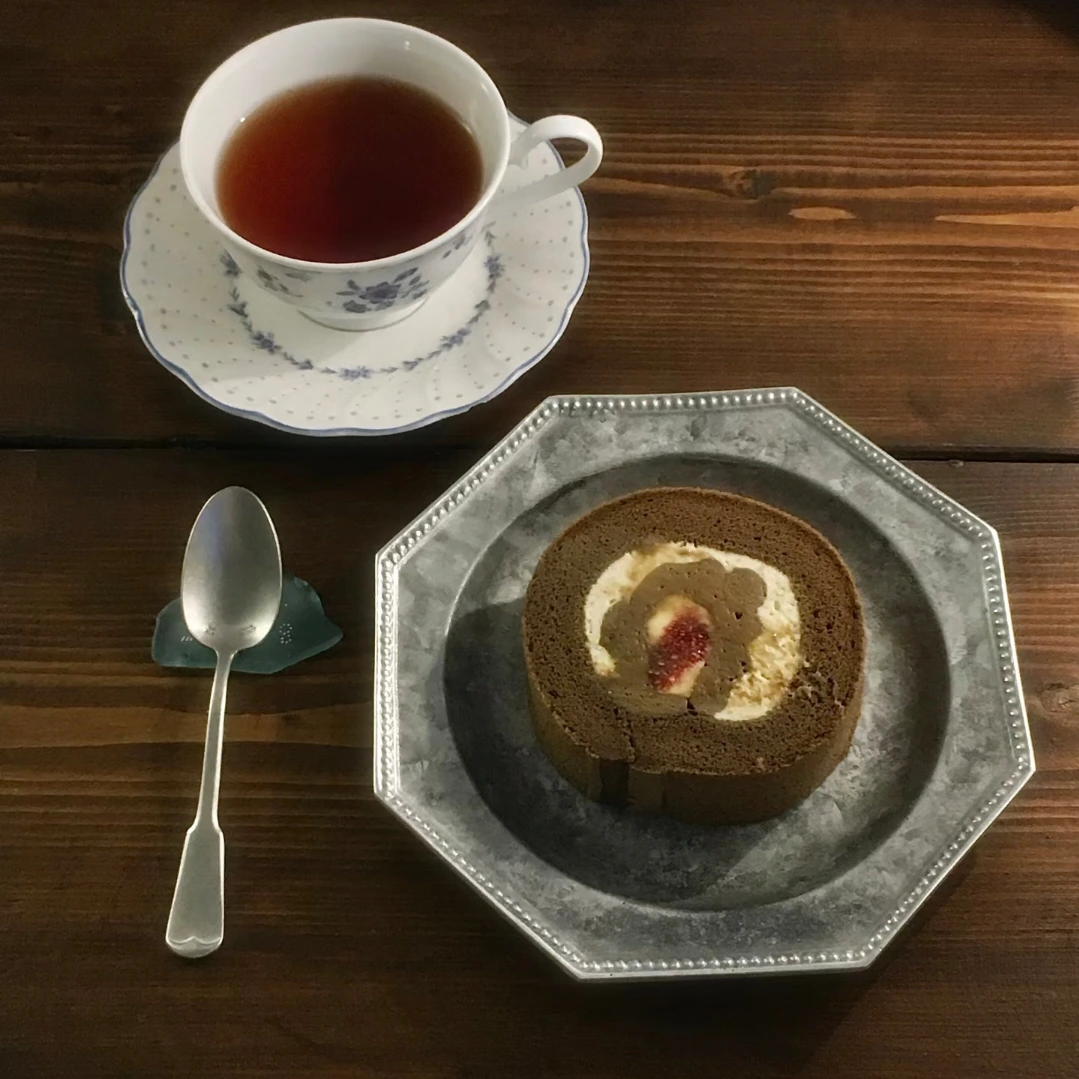
Start with These Chinese Teas
Even after learning the pairing principles, you might still wonder where to begin.
If you're new to Chinese tea, here are five versatile options that work well with a wide range of everyday foods.
| Chinese Tea | Flavor Profile | Foods Worth Trying |
|---|---|---|
| Longjing (Dragon Well) | Fresh, gentle, with subtle roasted bean notes | Steamed fish, sushi, salads, lightly seasoned vegetables |
| Bai Mudan (White Peony) | Delicately sweet, floral, and smooth | Chicken, fruit, cakes, light pastries |
| Tieguanyin (Iron Goddess of Mercy) | Light-style Tieguanyin has noticeable floral aromas and a refreshing taste | Seafood, roasted chicken, vegetables, mild cheeses |
| Keemun Black Tea | Floral, fruity, malty, and moderately full-bodied | Roasted meat, sandwiches, chocolate, baked desserts |
| Wuyi Shui Xian | Roasted, woody, smooth, and full-bodied | Steak, roasted meat, mushrooms, nuts, cheese |
If you only want to start with two teas, I'd recommend light-style Tieguanyin and Keemun black tea.
Tieguanyin is a good starting point for exploring lighter, fresher foods, while Keemun is worth trying with richer savory dishes and desserts.