
The processing methods used for the six major types of Chinese tea create noticeable differences in their color, taste, and aroma. So what exactly makes each type different?
For a closer look at the steps behind those differences, explore how processing creates the six tea types.
In this article, we’ll look at processing methods, color, flavor, and aroma to help you identify what type of Chinese tea you have.
Green Tea
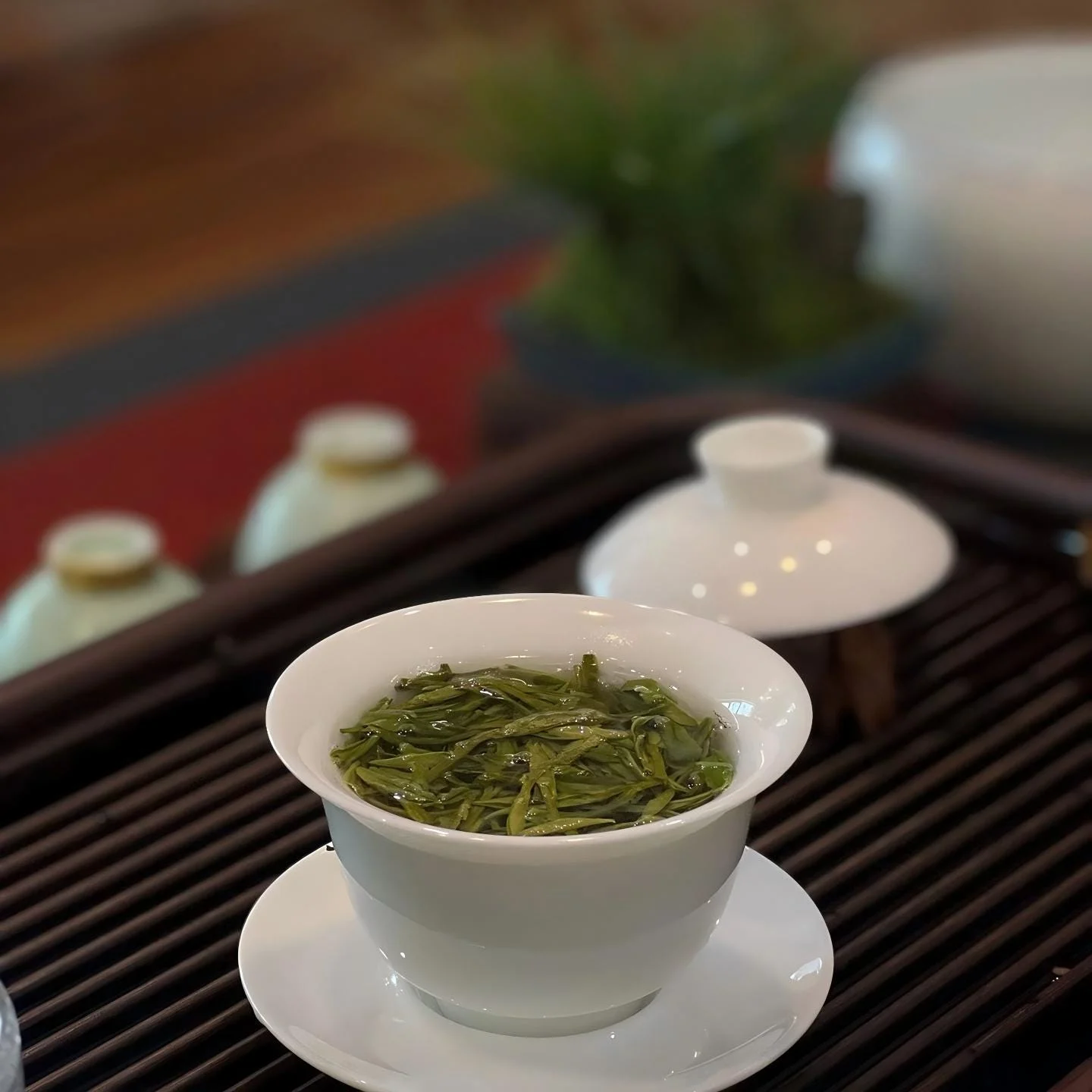
The key step in making green tea is fixation, also known as kill-green. The tea leaves are heated at a high temperature, which deactivates the enzymes responsible for oxidation. As a result, catechins are largely preserved, giving green tea its slight bitterness and astringency.
At the same time, some proteins break down, slightly increasing the amount of amino acids in the leaves and contributing to green tea’s fresh, savory character.
Because enzymatic oxidation is stopped early, much of the chlorophyll is also preserved. This is why both the leaves and the brewed tea usually have a light green appearance.
Green tea may also have subtle chestnut-like or roasted bean aromas, which develop through Maillard reactions and caramelization during the drying process.
Black Tea
The key process in black tea production is commonly called fermentation, although it is essentially complete enzymatic oxidation.
Enzymes promote the oxidation of catechins, producing compounds such as theaflavins and thearubigins. As catechin levels decrease, the sharp bitterness and astringency become softer.
Theaflavins contribute freshness and a pleasant astringency, while thearubigins give the tea a richer, smoother, and slightly sweeter character.
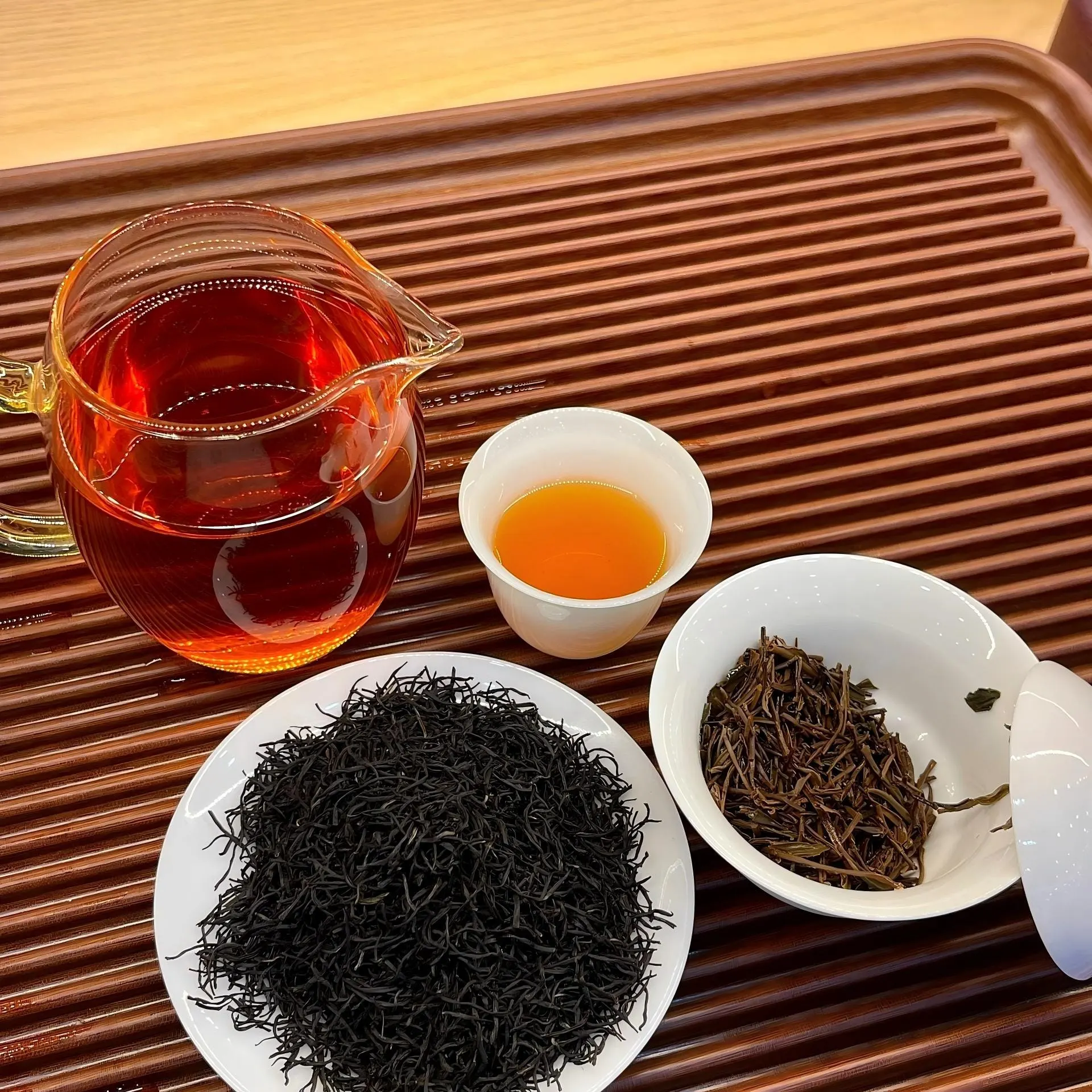
Oxidation also creates many new aromatic compounds, giving black tea its typical floral and honey-like aromas.
Meanwhile, chlorophyll breaks down, causing the green color of the leaves to fade. The abundance of theaflavins and thearubigins gives the leaves and tea liquor their reddish color.
Oolong Tea
The defining step in oolong tea production is tossing or shaking the leaves, known in Chinese as yao qing. This encourages controlled, partial enzymatic oxidation.
Because the oxidation process is stopped before it becomes complete, catechins, theaflavins, and thearubigins can all be present at the same time.
Theaflavins and thearubigins give the tea body and smoothness, while the remaining catechins preserve some of its freshness and astringency.
As with black tea, oxidation also creates a wide range of aromatic compounds, often producing floral and honey-like aromas.
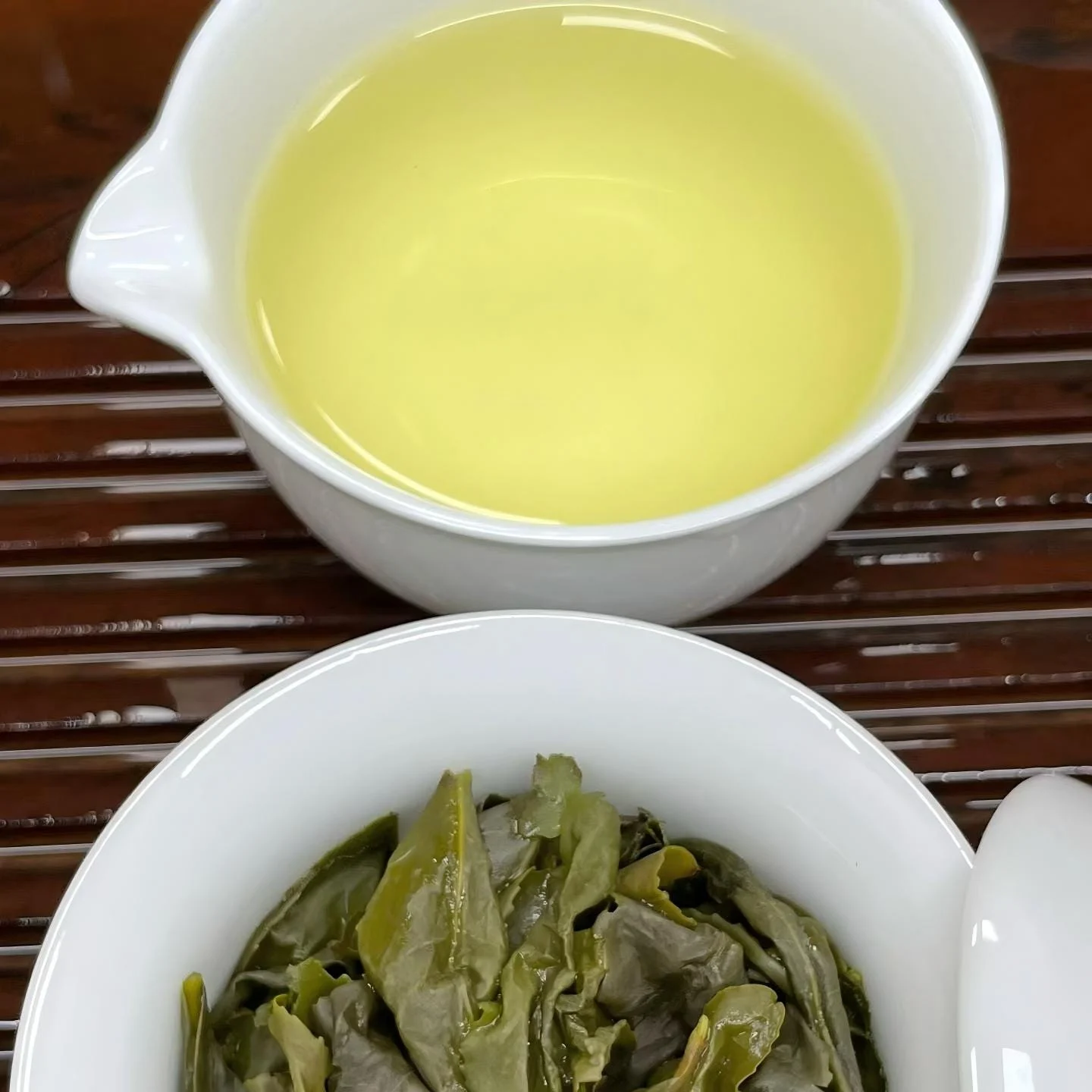
During the tossing process, the edges of the leaves are more easily bruised and oxidized. This is why many oolong teas develop the classic appearance of green leaves with reddish edges, while the brewed tea may appear bright golden or orange.
Dark Tea
The defining process of dark tea is wet-piling, a form of microbial fermentation.
Microorganisms introduced from the surrounding environment transform catechins into compounds including theabrownins and smaller amounts of theaflavins.
This greatly reduces harsh bitterness and astringency, giving the tea a smooth, mellow, and full-bodied taste.
Some polysaccharides are also broken down, contributing sweetness. Meanwhile, microorganisms consume some amino acids, so dark tea generally has less of the fresh, savory character found in green tea and oolong tea.
Microbial activity also removes grassy aromas and produces characteristic aged and woody notes.
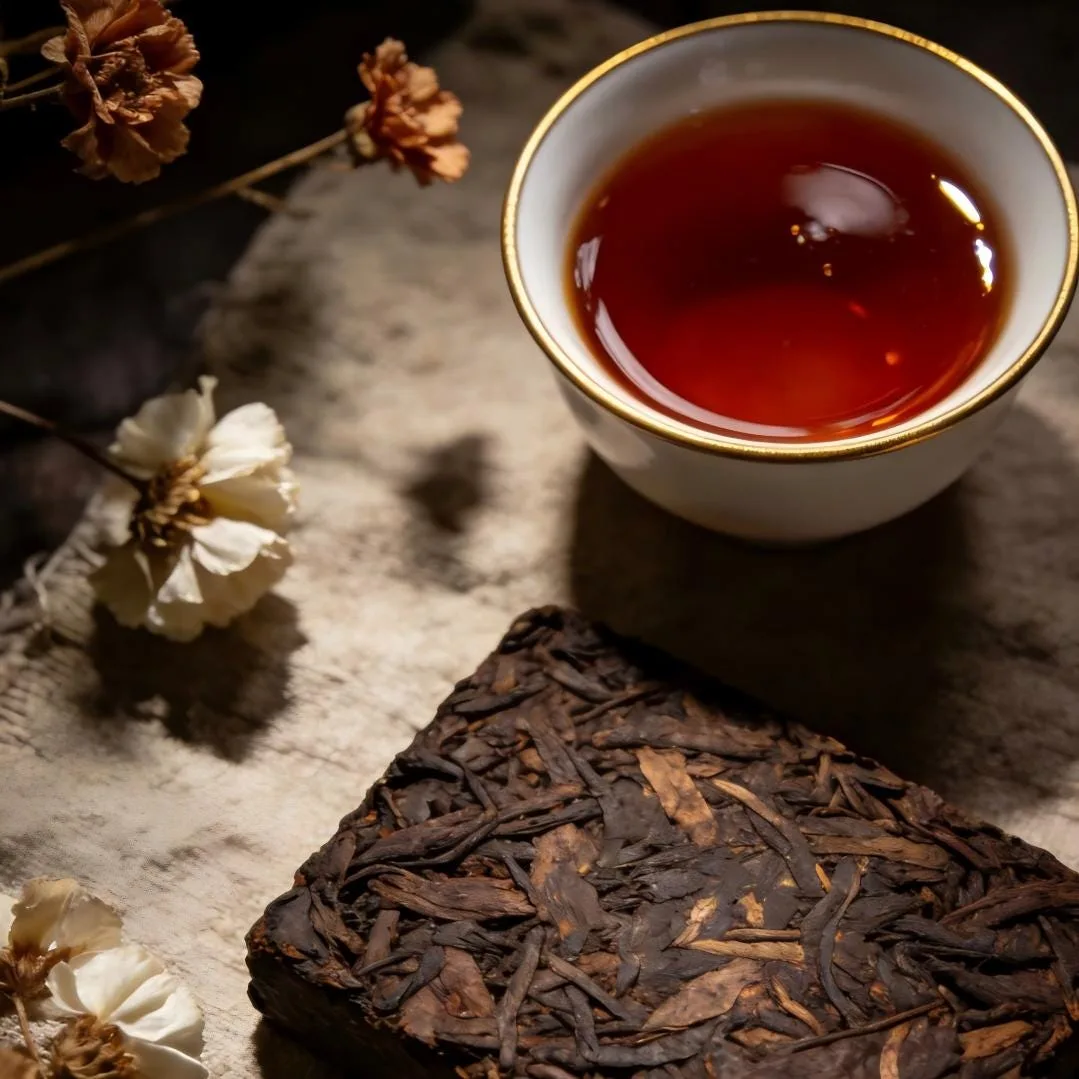
Theabrownins, together with smaller amounts of theaflavins, give the dry leaves their dark brown appearance and produce a clear reddish-brown tea liquor.
White Tea
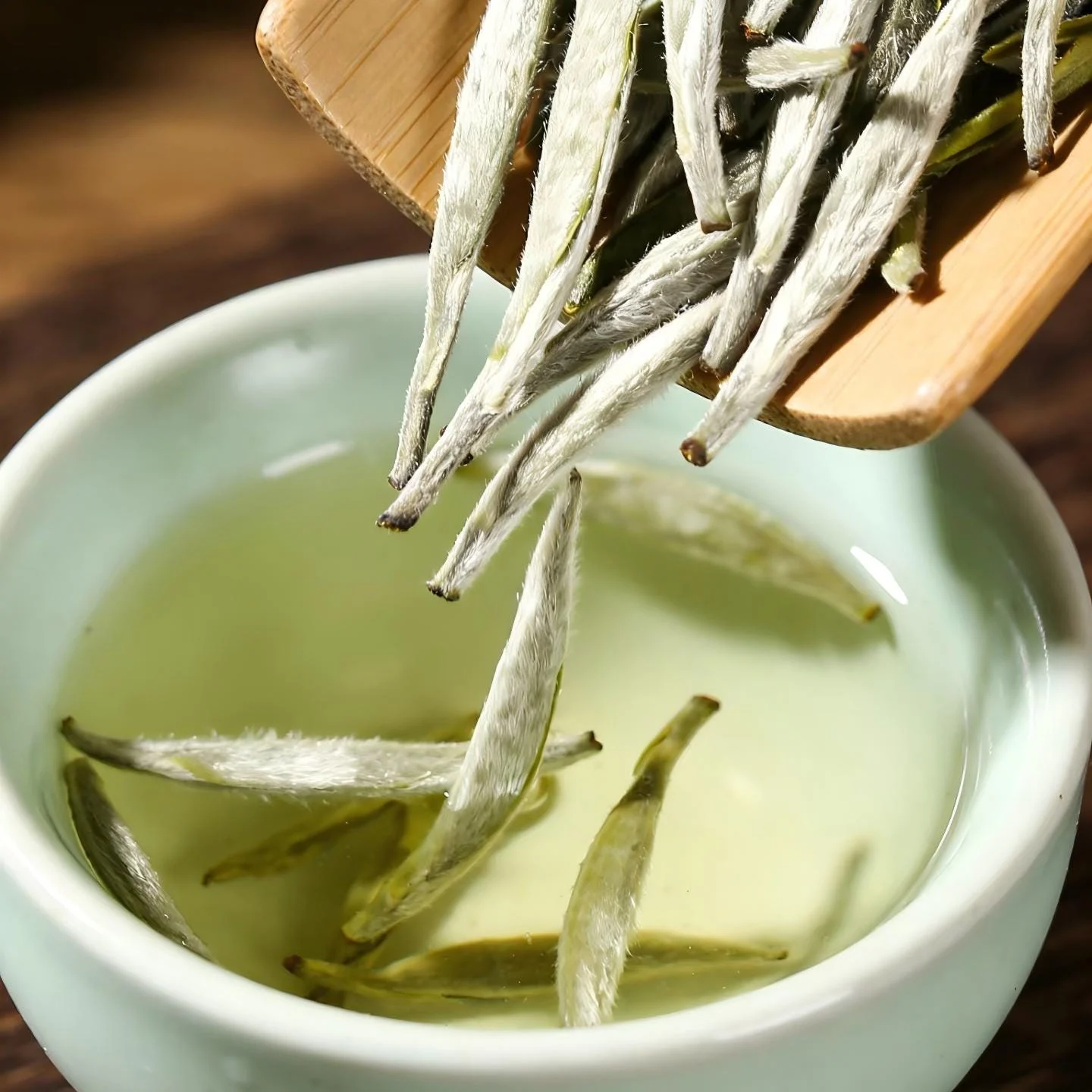
White tea is characterized by minimal processing, allowing the freshly picked leaves to lose moisture naturally.
Catechins undergo only light oxidation, so some bitterness and astringency are reduced while much of the tea’s fresh character remains.
During withering, proteins are broken down extensively, increasing amino acids such as theanine. Polysaccharides also break down, increasing soluble sugars and contributing to a noticeable lingering sweetness.
The withering process also removes grassy aromas and develops the typical downy, floral, and lightly sweet aromas associated with white tea.
As chlorophyll gradually breaks down during withering while catechins remain relatively unchanged, the leaves and tea liquor develop a much lighter appearance.
Yellow Tea
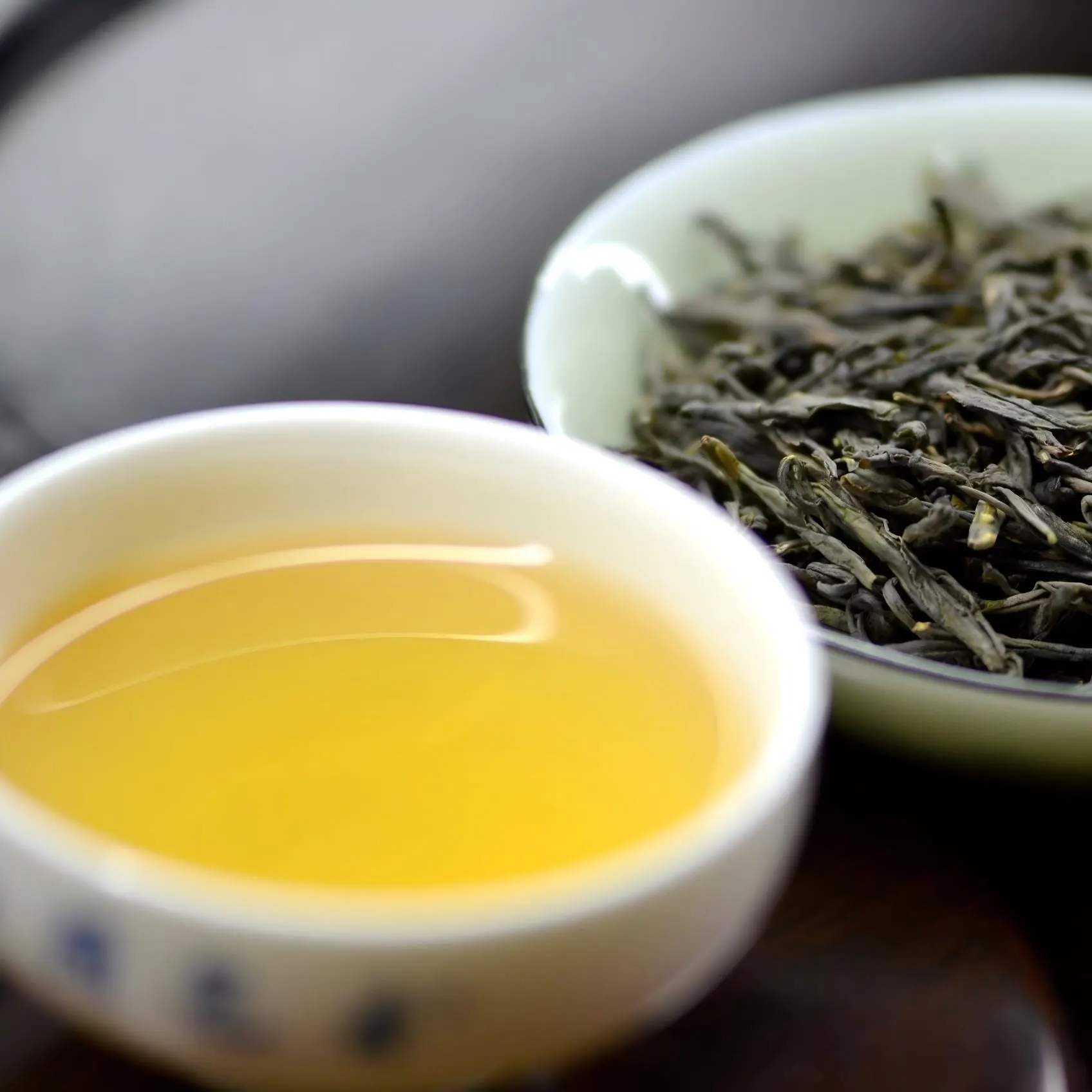
The defining process of yellow tea is yellowing, known in Chinese as men huang.
Under warm and humid conditions, catechins undergo changes that reduce sharp bitterness and astringency.
At the same time, proteins are extensively broken down into amino acids, contributing to a smooth and naturally sweet taste.
The yellowing process also removes grassy aromas, creating a softer fragrance with sweet and mellow fruity notes.
These changes during processing give yellow tea its characteristic yellow leaves and yellow-colored liquor.
Processing Is Only Part of the Story
Of course, processing is not the only factor that determines the flavor of tea.
The characteristics of the fresh tea leaves also matter. The tenderness of the leaves, growing region, and climate can all influence the natural chemical composition of the tea plant.
This means that even when two teas go through similar processing methods, different raw materials can produce very different flavors.
This is why we have famous teas such as Da Hong Pao, Pu’er, and Longjing.
How these famous Chinese teas are named is another topic entirely. I’ll write a separate article explaining it.
For beginners who are just starting to explore tea, I recommend beginning with dark tea or black tea, as they generally have less bitterness and astringency.
I think you may find them easier to enjoy as well.
Finally, what type of tea is your favorite?
If you found this article helpful, please share it with more people. Thank you !