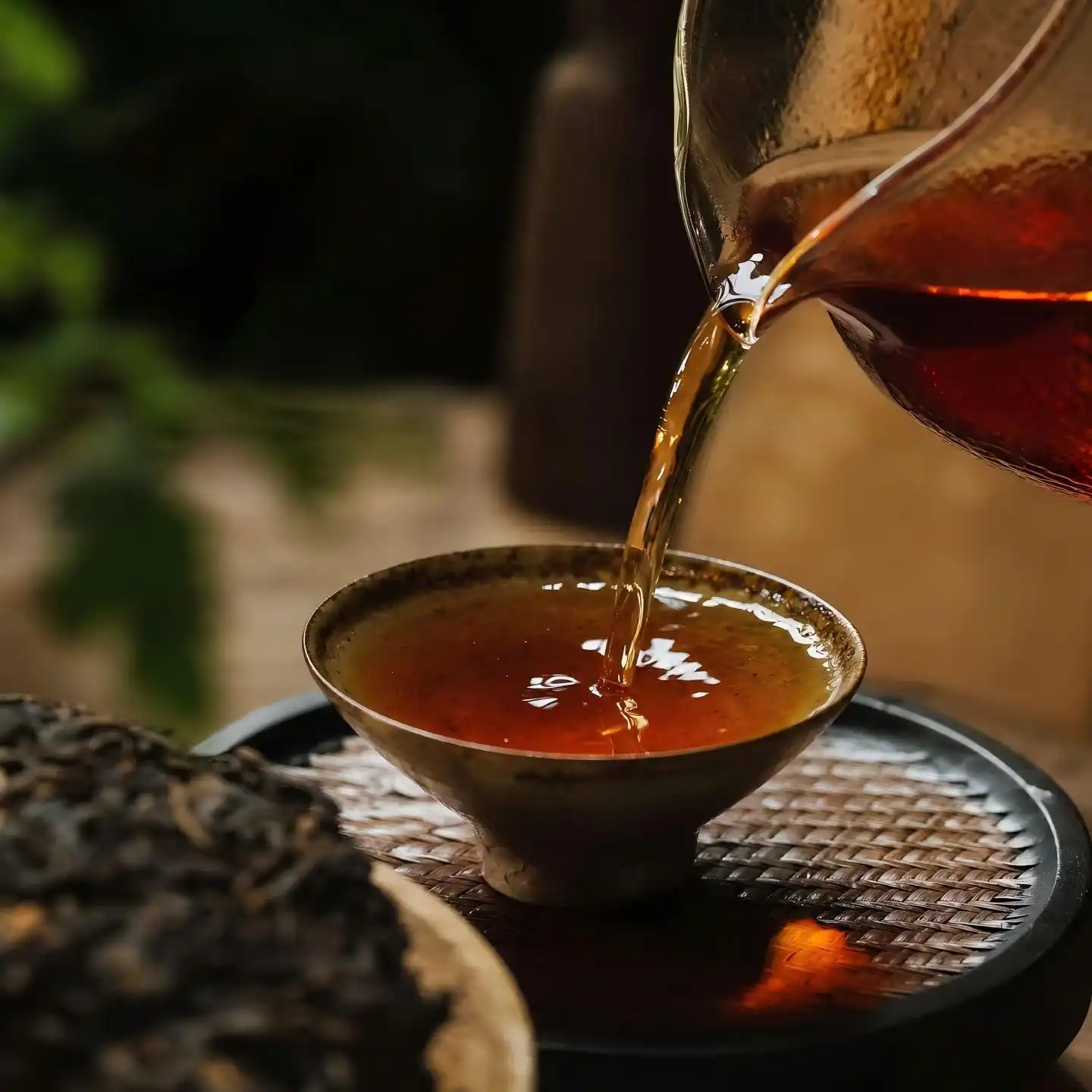
In the West, black tea is one of the most popular types of tea. But in China, it is only one of the six major tea categories.
Modern tea culture often focuses on blends and added flavors. Classic teas like English Breakfast and Earl Grey are typically blends of different black teas, often enjoyed with bergamot, spices, milk, or sugar. The exact tea variety, origin, or harvest year is usually less important.
Chinese tea culture, however, values “drinking tea as it is.” Tea is usually brewed with hot water without added flavors, allowing people to appreciate its natural color, aroma, taste, and aftertaste. Different tea varieties and processing methods can create flavors ranging from fresh and sweet to floral, fruity, or rich.
In China, the origin, harvest year, and craftsmanship are all part of what makes each tea unique.
The Six Types of Traditional Chinese Tea
Not sure how to tell these teas apart? Start with our guide to identifying Chinese tea types.
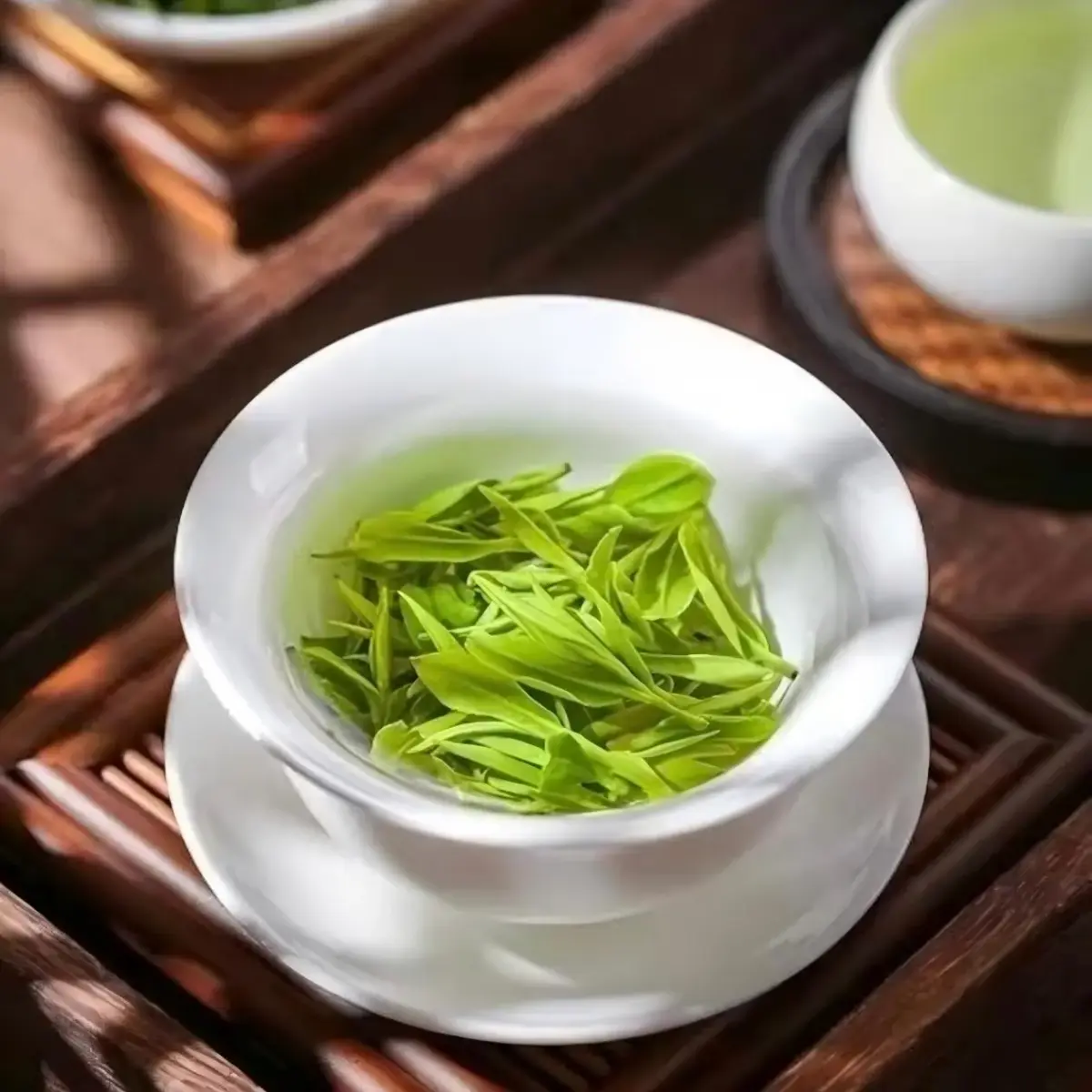
Green Tea
- Top Notes: Fresh green leaves with a clean, grassy aroma. Some green teas also have a light vegetal or nutty scent, similar to freshly cut grass or steamed vegetables.
- Heart Notes: As you sip, the grassy freshness becomes softer. You may notice delicate floral notes, a mild sweetness, and a subtle umami taste. The flavor is usually light and refreshing rather than heavy.
- Base Notes: The tea leaves a clean, smooth finish with gentle bitterness and a lingering sweetness.
- Famous Green Teas: Longjing、Biluochun、Huangshan Maofeng
Black Tea
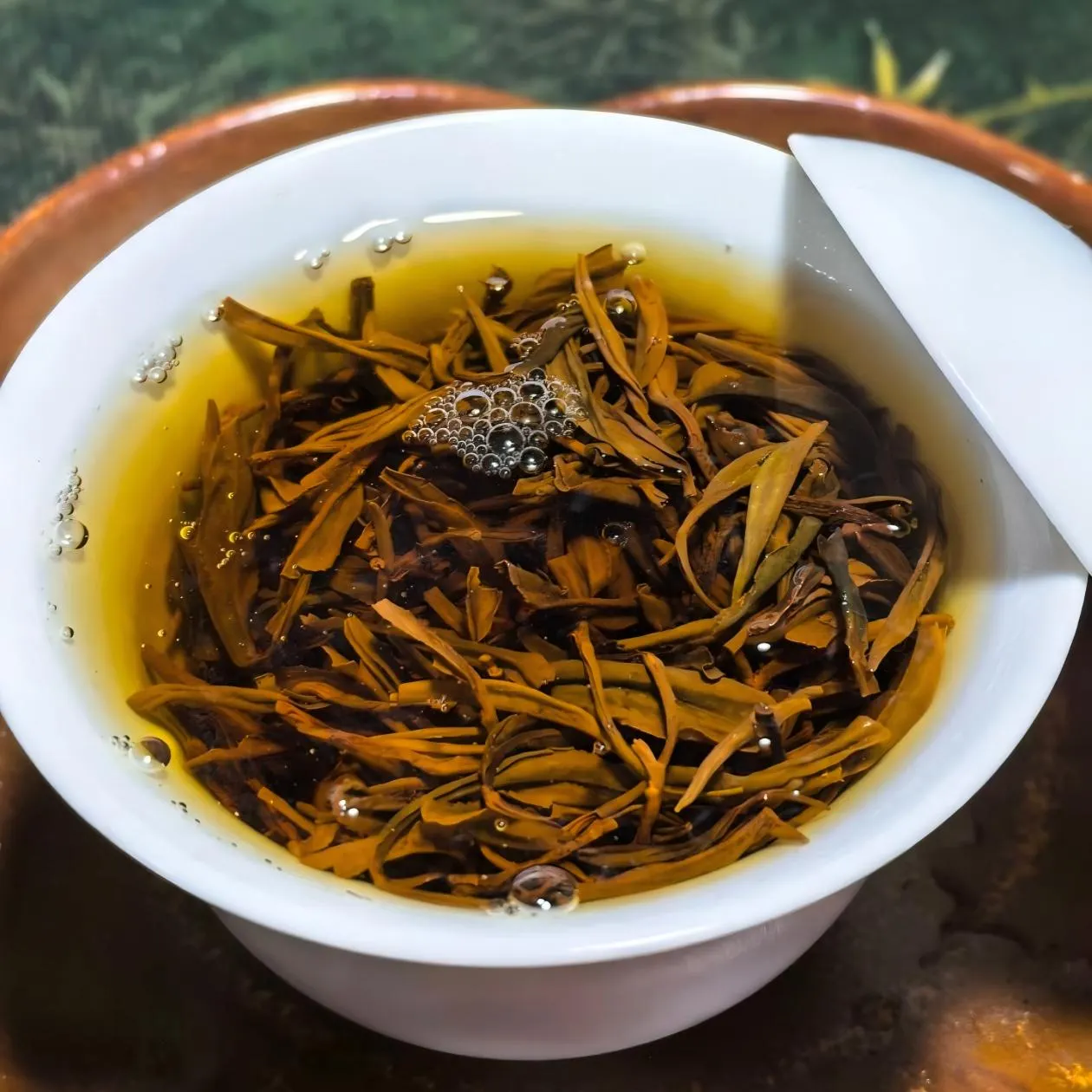
In China it is called “Red Tea”. After undergoing a complete fermentation process, the tea polyphenols undergo extensive oxidation. English afternoon tea utilizes the production methods of Chinese black tea.
- Top Notes: Warm, rich, and slightly sweet. The first sip often brings notes of malt, dried fruit, honey, or ripe fruit, with a smooth aroma that feels fuller than green tea.
- Heart Notes: As the tea opens up, deeper flavors begin to appear. You may notice caramel, cocoa, stone fruit, or subtle floral notes. The tea usually has a fuller body, with gentle astringency balanced by a natural sweetness.
- Base Notes: The finish is warm and lingering, often leaving hints of malt, dried fruit, honey, or light spice. A gentle sweetness remains on the palate, sometimes accompanied by a mild dryness that gives the tea a clean finish.
This is the most popular type in the modern West. It feels rich, smooth, and comforting, with a lingering sweetness that makes each sip satisfying.
- Famous Black Teas: Keemun、Dianhong、Lapsang Souchong
Oolong Tea
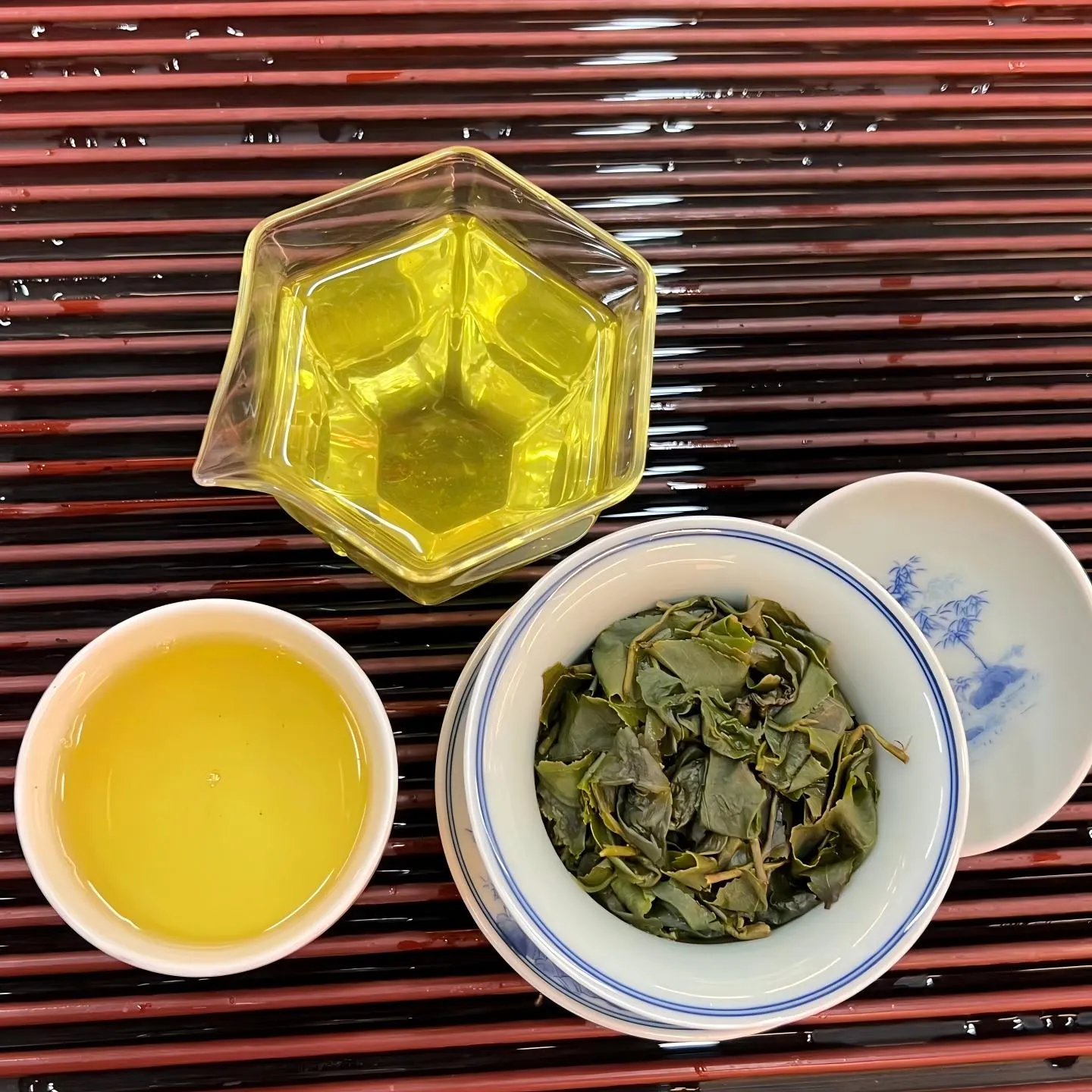
Among the six major categories of tea, it involves the most complex processing and offers the widest range of flavor profiles. Repeated shaking causes the leaves to collide and sustain damage, allowing the edges to oxidize while the centers remain unoxidized.
- Top Notes: Fresh and fragrant, with notes that can range from green leaves and fresh flowers to ripe fruit. Lightly oxidized oolong teas often have a crisp, floral aroma, while more heavily roasted varieties may begin with warm, nutty, or toasted notes.
- Heart Notes: As the tea opens, the flavor becomes deeper and more layered. Floral, fruity, creamy, or roasted notes may emerge, depending on the style. The tea feels smooth and balanced, with gentle sweetness and a pleasant, mild astringency.
- Base Notes: The finish is clean, smooth, and lingering. Floral or fruity notes may stay on the palate, while roasted oolongs can leave a warm, nutty character. A subtle hui gan (returning sweetness) often develops after swallowing, bringing a refreshing sweetness to the finish.
Oolong tea demands the most meticulous brewing techniques; the “Gongfu Tea” brewing method was essentially created for it.
- Famous Oolong Teas: Tieguanyin、Da Hong Pao、Phoenix Dancong
White Tea
After being harvested, the leaves are spread out to air-dry and undergo natural withering, with almost no artificial intervention. White tea possesses a unique characteristic: it becomes more fragrant with age—a quality captured by the folk saying, “One-year-old tea, three-year-old medicine, seven-year-old treasure.”
- Top Notes: Light, fresh, and delicate, with notes of young green leaves, fresh grass, and soft spring flowers. Some white teas may also have a subtle honey-like sweetness and a clean, slightly fruity aroma.
- Heart Notes: As the tea opens, the fresh green character becomes softer and sweeter. You may notice delicate floral notes, melon, pear, or dried fruit, depending on the tea and its age. The texture is usually smooth and gentle, with very little bitterness.
- Base Notes: The finish is soft, clean, and naturally sweet. Fresh white tea may leave a light floral and fruity aftertaste, while aged white tea can develop deeper notes of dried herbs, honey, wood, or dried fruit. The sweetness often lingers quietly on the palate.
Think of young spring leaves, white flowers, fresh pear, soft honey, and sun-dried herbs. White tea feels light and natural, like the clean sweetness of early spring—delicate at first, yet surprisingly lingering as the tea opens in the cup.
- Famous White Teas: Silver Needle、White Peony
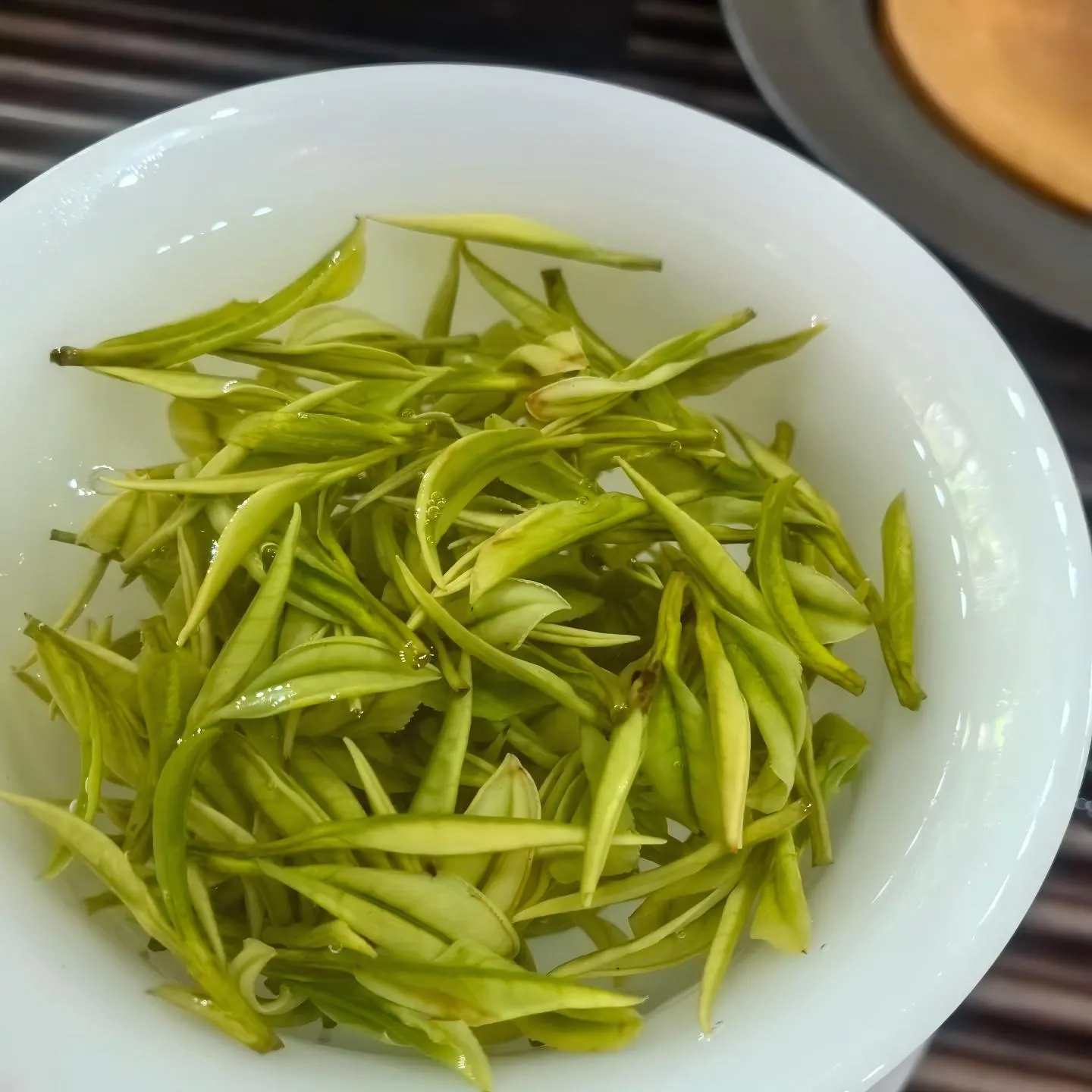
Yellow Tea
Its processing method is very similar to that of green tea, but with an additional “smothering-to-yellow” step—where the tea leaves undergo slight fermentation under warm, humid conditions—producing a unique aroma reminiscent of cooked corn and a mellow, smooth taste.
- Top Notes: Soft, warm, and slightly sweet, with notes of tender leaves, fresh grass, and gentle floral aromas. Compared with green tea, the freshness is softer and less sharp, sometimes accompanied by a subtle steamed-grain or chestnut-like scent.
- Heart Notes: As the tea unfolds, mellow flavors of sweet corn, cooked grains, yellow flowers, and ripe fruit may appear. The tea feels smooth and rounded, with a gentle sweetness, light umami, and much less grassy bitterness than many green teas.
- Base Notes: The finish is soft, clean, and lightly sweet, with hints of honey, roasted grains, or dried fruit. A mild sweetness can remain on the palate, creating a warm and comfortable aftertaste.
Warm sweet corn, golden honey, steamed grains, ripe apricots, and soft yellow flowers in the late afternoon sun. Yellow tea combines the freshness of green tea with a softer, warmer sweetness, creating a mellow and comforting taste that feels gentle from the first sip to the finish.
- Famous Yellow Teas: Junshan Yinzhen、Mengding Huangya
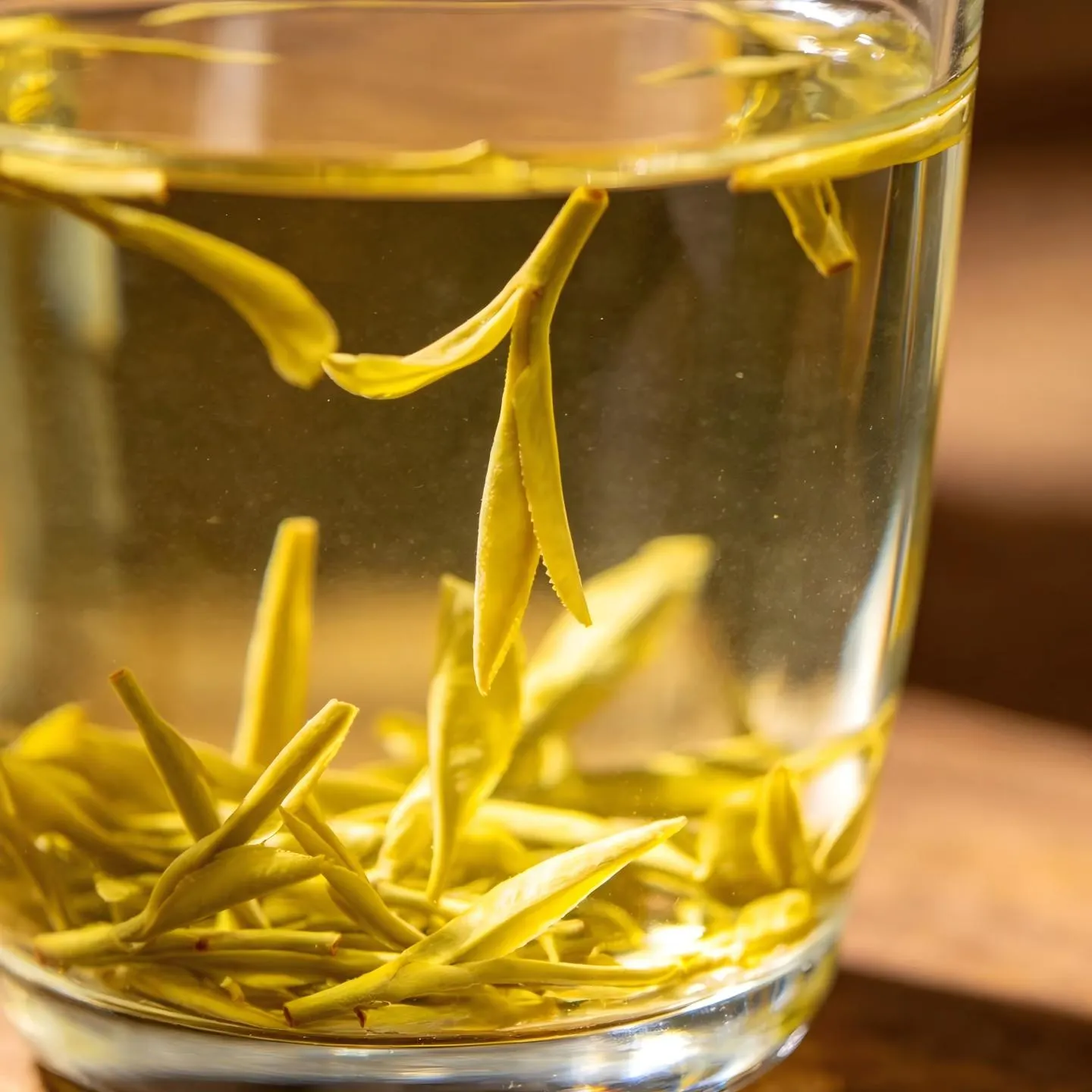
Dark Tea
After production, the tea continues to ferment, undergoing a slow transformation driven by microbial activity; consequently, it becomes mellower and more aromatic with age. The core process is “wet-piling” (wo dui)—stacking the tea leaves and controlling temperature and humidity to foster the rapid proliferation of microorganisms, which break down and transform the tea’s chemical components.
- Top Notes: Deep, earthy, and mellow, with aromas of dried wood, dark fruit, herbs, and warm earth. Some dark teas, especially Pu-erh, may also have a clean woody or slightly camphor-like freshness.
- Heart Notes: As the tea opens, richer flavors of dried dates, dark chocolate, nuts, mushrooms, and aged wood may emerge. The tea usually has a fuller, smoother body, with very little sharp bitterness and a gentle, rounded sweetness.
- Base Notes: The finish is deep, warm, and lingering, leaving notes of aged wood, dried fruit, herbs, and a subtle sweetness. Well-aged dark tea can have a remarkably smooth texture and a long, clean aftertaste.
Think of old cedarwood, dried dates, dark chocolate, forest earth, and a warm wooden room after rain. Dark tea feels deep and comforting, with a smooth richness that slowly unfolds and leaves a warm, lingering sweetness on the palate.
- Famous Black Teas: Pu-erh、Liu Bao Tea